
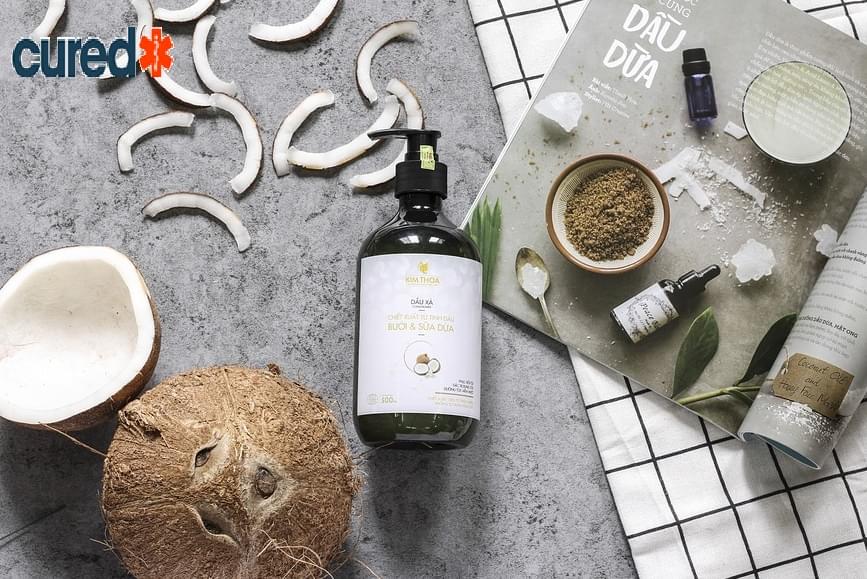
Hair can make and break someone's personality. It is very important to take care of hair even in summers and winters both. In summer the issues with their arises a lot and the scalp becomes more itchy, oily and even flaky. The unhealthy scalp gives rise to a lifeless here. And summers bring a lot more of their problems. Hence it becomes very important to take care of our hair during summers. The hot and humid days can spoil the entire treatment we take in the saloons. There are people who cannot afford a lot of such hair treatments chemically and have to resort to homemade products. Homemade products are very important as they don't have chemicals in it to damage your hair. We are here with homemade masks that you can easily make at your home and have healthy and flawless hair.
Itchy scalp
It is a very common summer issue and can help in slowing your hair growth. The very first mask for clarifying your itchy scalp is a combination of salt and oil. It is very good if you can use a scalp scrub as it helps in stimulating hair growth. It even helps in removing dandruff or any Flake that you have in your head. For creating a hair mask for dry and itchy scalp you need to combine 2 tablespoons of sea salt with an equal ratio of lemon juice and olive oil. You can take 1 tablespoon of both or even to. Mix all these three ingredients together and then apply on to Wet hair. Gently massage your skill for at least 10 to 15 minutes and then you can rinse it with water. For extra care of your itchy scalp read ‘Home remedies to follow for a dandruff free scalp’ it will give a deep insight for a dandruff free scalp.
Split ends
It is very important to give your hair a good intake of protein and fat. The fat you provide should be healthy fats. Also brushing with natural hair tools is very important and avoids heating products as much as you can. It is very important to keep your hair moisturized for their health. You can apply a good mask on your hair once a week so that you can Heal your split ends. Take one tablespoon of olive oil and mix it with 1/4 cup of whole fat yogurt. Apply this mix on your hair and leave for 30 minutes. You can then wash and rinse it with lukewarm water. The olive oil will give a coating of fatty acids and the yogurt will help in locking the moisture into your hair and hence protecting them from further damage.
Dry hair
Nobody likes dry and damaged hair. Hence for conditioning your hair you need to prepare a super hydrating hair mask. For having this extra conditioning hair mask weekly ingredient should be raw Honey. Honey is known for its moisturizing and anti-inflammatory properties. It also is very good for healing your dry hair and providing them antibacterial treatment. The key ingredients for this extra conditioning hair mask are 2 tablespoons each of coconut almond oil and Neem oil. Add one tablespoon of honey in it and mix it together. Heat this mixture in a microwave for a few seconds to make it lukewarm. Once this mixture is ready you can massage it onto your skull and then let it sit for at least 30 minutes and it would be really better if you could keep it for an hour. When you wash it you can see the gorgeous and shiny hair.
Damaged hair
It is very important to give Shine and conditioning to your damaged hair. The hair mask that you must use for your damaged hair should be able to provide enough moisture to your scalp so that the split ends start healing. Also, your hair requires good conditioning for the Luscious look. For this hair mask at one egg with one cup of coconut milk and one tablespoon of extra virgin olive oil. Mix them together and apply them over your scalp. Gently massage it onto your scalp and the remaining mix should be used on to the hair from roots to the ends. Let this mixture sit for 20 to 30 minutes and then you can wash your hair as you normally do.
Hair thinning
It is a very common issue nowadays and people try their best to avoid it. The best ingredient for stimulating hair growth is green tea. It is believed that green tea has more antioxidants and helps in hair stimulation. The caffeine and antioxidants, when combined with catechins which are found in green tea, encourages the blood flow and circulation of it in the hair follicles. Hence it curbs away dandruff which in turn helps in hair growth stimulation. It will help in attaining healthy and Shiny hair. All you need to do is mix 1 tablespoon of coconut oil with one tablespoon of green tea powder and one egg. Mix them together and apply them every week on your clean hair. You should massage it gently onto your scalp and then work from your roots to the ends. Let it sit for at least 30 minutes before you shampoo your hair.
Recent Articles

How Do Ayurveda Doshas Shape the Daily Life of an Individual
At a GlanceFeeling wired yet exhausted often signals an imbalance in your natural mind-body rhythm rather than random bad luck.World Health Organization and National Center for Complementary and Integrative Health reports show that millions use traditional wellness systems alongside modern care.Learning the three doshas in Ayurveda helps you read early signals from sleep, digestion, and energy.Matching meals, sleep habits, and calm routines to your constitution supports steadier daily focus.Small consistent changes beat extreme cleanses when restoring everyday harmony.Have you ever stared at your ceiling at two in the morning with a racing mind or felt weighed down after a heavy meal even when you tried to eat well? Understanding Ayurveda doshas offers a warm, practical lens on why your body and mood react the way they do. According to World Health Organization traditional medicine reports and National Center for Complementary and Integrative Health data, roughly forty percent of U.S. adults use complementary health approaches each year, and millions turn to mind-body systems like Ayurveda to support stress resilience, digestion, and sleep quality. Tuning in to your body's natural signals feels like finally speaking your own language.Gentle daily awareness helps you stop fighting your energy cycles and start working with them. It makes everyday self-care feel personal and doable.In this guide, we answer what are the three doshas in Ayurveda and what are vata pitta and kapha, show how to find your Ayurvedic dosha and answer what is my dosha in Ayurveda, break down vata, pitta, and kapha characteristics and the difference between vata pitta and kapha, and share how to balance your dosha along with foods for vata, pitta, and kapha doshas.What are the Three Doshas in Ayurveda?Asking what are the three doshas in Ayurveda introduces the three core biological energies that shape physical traits, digestion, and mood across Ayurvedic body types.In classic Ayurveda, these three doshas in Ayurveda act as functional patterns inside every person rather than rigid boxes. Every human carries all three energies in unique proportions that influence how we respond to stress, weather, and food.What are Vata, Pitta, and Kapha?Answering what are vata pitta and kapha means looking closely at Vata dosha, Pitta dosha, and Kapha dosha as distinct types of doshas in Ayurveda.Vata Dosha Vata dosha governs movement, breath, circulation, and nervous system signals throughout the body. When steady, it supports creativity, quick thinking, and lively energy; when pushed hard, it can lean toward dryness, restlessness, or scattered focus.Pitta Dosha Pitta dosha governs digestion, metabolism, body heat, and sharp mental drive. In balance, it brings clear focus, warmth, and strong appetite; when overheated, it can show up as irritability, acid discomfort, or impatience.Kapha Dosha Kapha dosha governs physical structure, joint lubrication, fluid balance, and calm endurance. When steady, it provides emotional warmth, loyalty, and stamina; when stagnant, it can feel heavy, slow, or unmotivated.How to Find Your Ayurvedic Dosha?Figuring out how to find your Ayurvedic dosha works best when you follow a simple step-by-step process based on steady lifelong patterns.Observe Your Lifelong Baseline: Look at how your body frame, skin, digestion, and sleep have behaved over years rather than during a single stressful week.Note Climate and Stress Reactions: Track whether cold, dry wind, hot weather, or skipped meals throw off your mood or energy fastest.Complete a Self-Reflection Check: Take a clear dosha assessment and compare the results against your daily habits to spot your strongest patterns.Try This: Seasons Eatings in Ayurveda And Foods for Strong DigestionWhat is My Dosha in Ayurveda?Answering what is my dosha in Ayurveda becomes much easier when you separate your baseline nature from short-term imbalances step by step.Separate Baseline From Current Stress: Ask what feels normal for you on a calm, well-rested week versus what changed after poor sleep or travel.Spot One or Two Leading Energies: Check whether one dosha stands out clearly or whether two doshas share strong influence in your daily life.Track Shifts Across Seasons: Notice which energy flares up during hot summers, cold winters, or busy work deadlines so you can adjust gently.Vata Pitta Kapha CharacteristicsReviewing vata pitta kapha characteristics and dosha characteristics helps connect everyday traits with the three energies in action.Vata Traits: Quick mind, creative bursts, light sleep, and sensitivity to cold, dry air, or irregular routines.Pitta Traits: Warm body feel, strong appetite, decisive drive, and impatience or heat when pushed too hard.Kapha Traits: Calm temper, steady stamina, smooth joints, and sluggishness or heaviness when overly sedentary.Difference Between Vata, Pitta, and KaphaComparing the differences between Vata, Pitta, and Kapha makes it easier to spot which energy needs steadying on a given day.FeatureVata DoshaPitta DoshaKapha DoshaCore QualitiesLight, dry, mobile, coolWarm, sharp, focused, oilyHeavy, steady, cool, moistCommon Imbalance SignScattered focus or restless sleepIrritability or overheatingSluggishness or low driveHelpful Daily ShiftWarmth, routine, grounding restCooling, calm, steady paceGentle movement, lively varietySpotting the difference between vata, pitta, and kapha lets you adjust habits gently before fatigue or tension builds.How to Balance Your Dosha?Learning how to balance your dosha relies on simple daily rhythms that counter whatever feels excessive in your routine.Anchor Meals and Sleep: Eat at regular times and wind down before bed so your body settles into a steady rhythm. Keeping consistent wake and meal hours helps calm erratic hunger cues and racing thoughts.Match Pace to Energy: Pair energetic focus with calm recovery breaks instead of running on empty all week. Short walks, slow breathing, or quiet downtime prevent small tensions from snowballing.Adjust to Weather and Stress: Favor grounding warmth on windy, stressful days and cooling ease during hot, high-pressure stretches. Small seasonal tweaks make staying balanced feel natural rather than forced.Foods for Vata, Pitta, and Kapha DoshasChoosing foods for Vata, Pitta, and Kapha doshas helps meals feel nourishing and easy to digest without complicated rules. Here is the Ayurvedic diet as per your doshas:Foods for Vata Balance: Favor warm, cooked, moist, and lightly spiced meals such as oats, soups, stews, root vegetables, and healthy oils like olive or sesame oil. Limit very cold drinks, dry raw snacks, and skipping meals when busy.Foods for Pitta Balance: Lean toward cooling, hydrating, and mildly sweet or bitter foods like cucumbers, leafy greens, melons, basmati rice, and gentle herbs such as cilantro or mint. Cut back on overly spicy, fried, sour, or heavily caffeinated items when feeling overheated.Foods for Kapha Balance: Choose lighter, warm, freshly cooked meals featuring plenty of leafy vegetables, legumes, quinoa, and warming spices like ginger, black pepper, or turmeric. Reduce heavy fried foods, excess sugar, and thick dairy when energy feels slow.ConclusionCaring for your health works best when daily habits match how your body naturally responds to stress, food, and rest. Throughout this guide, we explained what the three core energies are, broke down vata, pitta, and kapha traits and differences, walked through simple steps to find your personal pattern, and shared practical routines and food ideas for steady balance.Small, steady adjustments to sleep, meals, and daily pace often bring the clearest relief over time. Listening to early signals keeps you grounded before burnout sets in.Ready to build calmer daily habits, explore natural wellness routines, and support your mind and body with confidence? Explore our wellness resource, cured.com, today and take a thoughtful step toward lasting balance.Frequently Asked QuestionsCan your dominant dosha change with age or seasons?Your core birth constitution stays a helpful reference point throughout life, yet seasonal shifts and life stages clearly influence how each energy shows up. Hot summer months or demanding career seasons can stir up fiery traits, while cold, windy weather or aging can make dry, restless qualities more noticeable. Adapting habits seasonally keeps daily balance practical and realistic.Should you change your diet suddenly based on a dosha reading?Sudden, extreme diet shifts can backfire and leave you feeling drained or overly restricted, especially if you jump straight into unfamiliar ingredients. Start with gentle upgrades like eating warm meals, staying hydrated, and noticing how specific foods affect your digestion and energy after eating. Gradual changes are far easier to sustain.How does stress affect each Ayurvedic body type differently?Stress tends to show up as racing thoughts, worry, or skipped meals when airy qualities run high, whereas fiery tendencies may surface as frustration, sharpness, or perfectionism. Slower, heavier patterns can respond to stress by withdrawing, feeling stuck, or losing daily momentum. Recognizing your personal stress pattern helps you reset sooner.Can someone have two equally strong doshas?Yes, many people have a dual constitution where two energies share strong influence, such as a blend of active creativity and warm focus or steady calm and sharp drive. Dual types often notice that different seasons or stressors bring one side forward more than the other. Paying attention to current symptoms guides which adjustment helps most.How can beginners start using dosha principles safely?Beginners get the best results by focusing on foundational habits like consistent sleep hours, mindful eating, hydration, and regular gentle movement rather than memorizing complex rules. Treat dosha concepts as a helpful self-awareness tool alongside qualified medical and nutrition care whenever health concerns arise. Simple consistency creates lasting results.
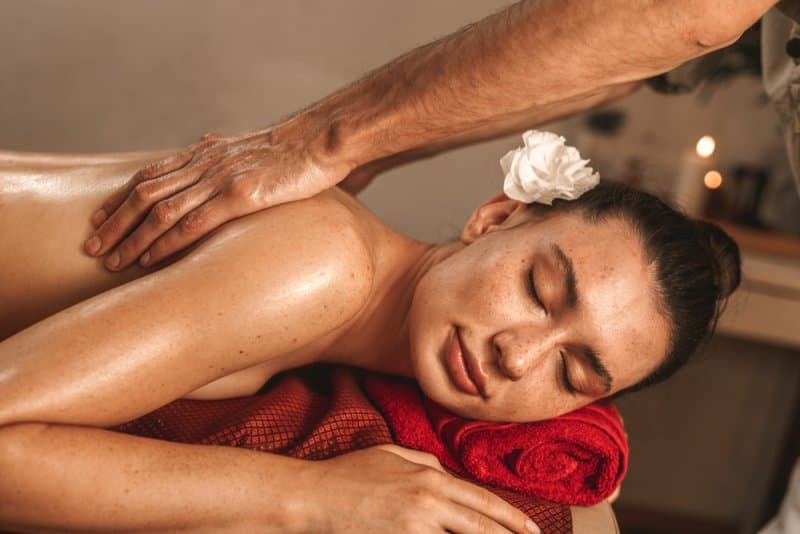
What is Abhyanga Massage and How Does it Calm Stress?
Quick TakeawaysDaily warm oil self-massage calms an overstimulated nervous system while deeply nourishing dry, tired skin tissues.Peer-reviewed clinical pilot studies confirm regular Ayurvedic oil massage significantly lowers heart rate and subjective stress scores.Selecting sesame, coconut, or almond oil based on your natural body constitution maximizes comfort and skin absorption.Using long gliding strokes on limbs and circular motions over joints stimulates healthy circulation and lymphatic drainage.Allowing warm herbal oil to soak in for fifteen minutes before a warm shower locks in lasting hydration.Waking up with stiff shoulders, racing thoughts, and dry, tight skin can make even simple mornings feel overwhelming. Practicing Abhyanga massage offers a grounding daily ritual that melts away tension while restoring deep physical warmth. According to clinical research published in the Journal of Alternative and Complementary Medicine and the National Institutes of Health wellness archives, regular warm oil self-massage measurably reduces subjective stress levels and slows resting heart rate after just one session. Taking ten quiet minutes with warm botanical oil turns rushed self-care into genuine restorative healing.Understanding how rhythmic touch and warm plant oils support your nervous system removes complexity from home wellness routines. It empowers you to soothe sore muscles and dry skin using simple ingredients already in your pantry.In this comprehensive wellness guide, we explore Abhyanga massage benefits and the benefits of Ayurvedic massage, compare the best Abhyanga massage oils for your skin type, demonstrate core Abhyanga massage techniques, and share a simple step-by-step routine for how to do Abhyanga massage and Ayurvedic self-massage at home.What is Abhyanga Massage?Abhyanga massage is a traditional Ayurvedic oil massage ritual that involves massaging the entire body from head to toe with warm, herb-infused botanical oil before bathing.Rooted in ancient Indian preventive medicine, the Sanskrit word "sneha" means both "oil" and "love." Coating the skin in warm, nourishing lipids creates a protective physical barrier while calming the nervous system through steady, mindful touch. Whether performed by a trained practitioner or practiced as daily Ayurvedic self-massage, this soothing therapy promotes balance across body and mind.Abhyanga Massage Benefits and the Benefits of Ayurvedic MassageUnderstanding Abhyanga massage benefits alongside the broader benefits of Ayurvedic massage explains why holistic wellness experts recommend this ritual year-round.Calms Nervous System Stress: Steady, warm pressure activates the parasympathetic relaxation response, easing mental fatigue and promoting deeper nighttime sleep.Boosts Circulation and Lymphatic Flow: Rhythmic strokes encourage fresh blood flow toward muscles while helping the lymphatic system clear metabolic waste naturally.Nourishes Dry and Aging Skin: Warm lipid-rich oils penetrate the outer skin barrier, softening rough elbows, heels, and flaky winter patches without synthetic lotions.Relieves Muscle and Joint Stiffness: Gentle circular massage around knees, wrists, and shoulders lubricates stiff joints and eases everyday physical tightness.Try This: Cardio vs Strength Training: Which Wins Weight Loss Faster?Choosing the Best Abhyanga Massage OilsSelecting the right Abhyanga massage oils depends on your skin sensitivity, local climate, and natural Ayurvedic constitution, known as your dosha.Ayurvedic Body TypeRecommended Abhyanga Massage OilWhy This Oil Works BestVata (Dry, Cold, Restless)Organic toasted or cold-pressed sesame oilRich, warming lipids ground nervous energy and deeply hydrate dry skinPitta (Warm, Sensitive, Reactive)Unrefined coconut oil or cooling sunflower oilLightweight, soothing properties calm redness and balance excess body heatKapha (Oily, Heavy, Sluggish)Sweet almond oil, jojoba oil, or mustard oilLighter viscosity stimulates sluggish circulation without clogging poresAlways warm your chosen bottle inside a mug of hot water for three minutes rather than using a microwave, keeping the oil pleasantly warm without overheating.Essential Abhyanga Massage TechniquesMastering traditional Abhyanga massage techniques ensures every stroke works harmoniously with your body's natural anatomy.1. Long Gliding Strokes on LimbsUse open palms to apply firm, sweeping vertical strokes along your arms, thighs, and calves. Always massage toward the direction of your heart to support healthy venous circulation and gentle warmth.2. Gentle Circular Motions Over JointsSwitch to smooth, clockwise circular motions when massaging your shoulders, elbows, wrists, hips, knees, and ankles. Circular pressure helps stimulate synovial fluid movement around hard-working joints.3. Clockwise Abdominal SweepsGlide your flat palm gently in wide clockwise circles across your stomach, following the natural path of your digestive tract. Keep pressure light and soothing to encourage comfortable digestion.How to Do Abhyanga Massage at Home Step-by-Step?Following a simple routine for how to do Abhyanga massage makes Ayurvedic self-massage effortless to practice three to four mornings each week.Warm Half a Cup of Oil: Place a small glass jar of oil into a bowl of hot tap water until it reaches a comfortable, skin-warm temperature.Start at the Crown and Ears: Massage a small amount of warm oil into your scalp, temples, and outer earlobes using your fingertips for two minutes.Work Down Arms, Torso, and Legs: Apply warm oil generously across your neck, chest, abdomen, arms, back, and legs using long limb strokes and circular joint movements.Rest and Rinse With Warm Water: Sit quietly on an old cotton towel for fifteen minutes so your skin absorbs the nutrients, then take a warm shower using gentle cleanser only where needed.Must Try: When is the Best Time to Exercise for Peak Results?ConclusionBringing ancient self-care wisdom into a busy modern schedule starts with something as simple as warm oil and mindful touch. Throughout this wellness guide, we defined the roots of Ayurvedic oil massage, highlighted key physical and mental benefits for stress relief and skin hydration, and compared sesame, coconut, and almond oils for every body type. We also broke down core stroke patterns and walked through an easy four-step morning routine so you can practice safely at home.Taking ten peaceful minutes to care for your body reminds your nervous system that you are safe, supported, and grounded. Small daily rituals build lasting resilience far better than occasional spa visits. To explore evidence-informed holistic health guides, discover natural self-care routines, and elevate your daily well-being today, visit our trusted wellness resource platform, cured.com, for expert inspiration tailored to your life.Frequently Ask QuestionsWhen is the best time of day to practice abhyanga massage?Morning is traditionally considered the ideal time to practice Abhyanga massage, ideally right before your daily warm shower so the oil energizes circulation and shields your skin all day. However, practicing a shorter foot and scalp oil massage thirty minutes before bedtime also works wonderfully to calm racing thoughts and support restful sleep.Should you wash off all the oil after an abhyanga massage?No, you should avoid scrubbing away every trace of oil with harsh body washes after your session, as leaving a thin, breathable sheen continues to moisturize and protect your skin barrier. Simply rinse under warm water and use a mild, gentle soap only on areas that genuinely need cleansing.Who should avoid practicing abhyanga massage?Individuals experiencing an active fever, acute cold or flu congestion, open skin wounds, severe skin infections, or digestive indigestion should pause oil massage until fully recovered. Pregnant individuals and people managing chronic circulatory or lymphatic conditions should also consult their healthcare provider before beginning deep full-body massage routines.How do you prevent oil stains on towels and bathroom floors?Keep two dedicated dark colored cotton bath towels exclusively for sitting on during your fifteen-minute oil absorption window and patting dry afterward. Always place a non-slip rubber mat inside your shower stall and rinse the tub floor with warm water and dish soap immediately to prevent slippery surfaces.Can you use essential oils inside your abhyanga massage oil?Yes, you can safely blend two to three drops of pure, skin-safe essential oils like lavender, frankincense, or sweet orange into every ounce of carrier oil for added aromatherapy benefits. Always dilute essential oils thoroughly in your base sesame, coconut, or almond oil, and avoid applying them directly to sensitive skin.
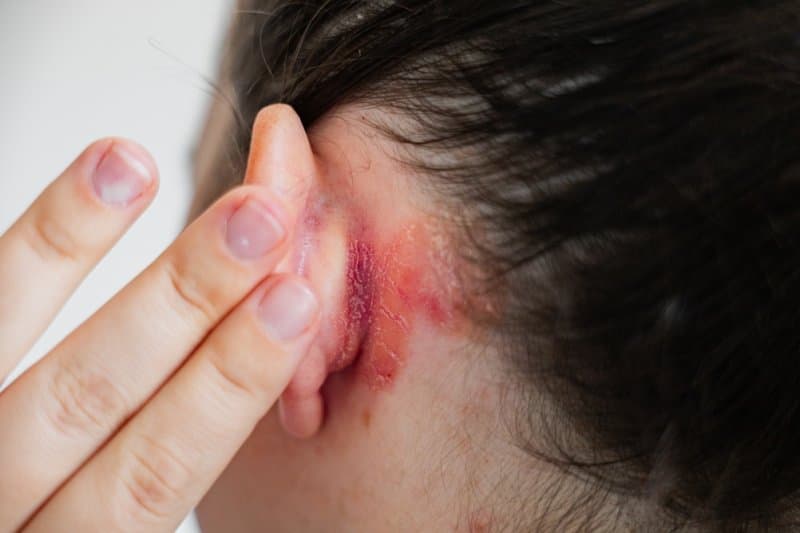
What are the Factors That Trigger Seborrheic Dermatitis?
Key TakeawaysCold temperatures, stress, and harsh skincare products can cause a sudden flare-up of seborrheic dermatitis.It is estimated by the National Eczema Association that 3-5% of people worldwide are affected by seborrheic dermatitis.Overgrowth of natural yeast (Malassezia) and excess skin oils cause redness and greasy yellow scaling.Using medicated antifungal shampoos and soothing emollients can reduce inflammation on the scalp, face, and eyebrows.Regular cleansing and gentle natural treatments can prevent persistent scaling between appointments.If you have persistent white scaling and red, itchy patches around your nose, it can be very frustrating. Knowing the things you do daily that can cause seborrheic dermatitis can help you prevent flare-ups and discomfort. In adults aged 30-60 years and infants, 3-5% of people in the world suffer from seborrheic dermatitis (National Eczema Association and Cleveland Clinic). Knowing the hidden causes of seborrheic dermatitis within your daily routine can help soothe irritation more quickly.Understanding how factors in the environment and stress levels impact your skin allows you to reduce redness and scaling with kind products.Within this health guide, you will learn what seborrheic dermatitis is, the main causes of seborrheic dermatitis and causes that can exacerbate seborrheic dermatitis, symptoms of seborrheic dermatitis on the scalp, face, and eyebrows, how seborrheic dermatitis is diagnosed, treatment options to reduce symptoms of seborrheic dermatitis, and natural ways to treat seborrheic dermatitis.What is Seborrheic Dermatitis?Seborrhoeic dermatitis is a chronic skin condition that can cause red, itchy patches and greasy white or yellow scaling on excessively oily areas of the body.This condition commonly occurs on the scalp, sides of the nose, eyebrows, ears, and upper chest. This condition is not contagious and can fluctuate; however, it can be easily managed. In infants, seborrheic dermatitis on the scalp is referred to as 'cradle cap,' but in adults, it causes persistent dandruff and redness.Common Causes that Exacerbate Seborrheic DermatitisUnderstanding what causes seborrheic dermatitis to flare up more can allow quick management.Cold, dry air in winter: Low humidity in the air causes the skin to dry. In turn, sebaceous glands overproduce oils, causing high yeast growth.Stress and fatigue: High stress produces increased cortisol within the body, weakening immune function in the skin. This can quickly cause red and itchy skin.Harsh Alcoholic Skincare Products: Using strong astringents, perfumed soaps, and heavy hair products can strip the skin of protective oils and cause irritation in sensitive areas.Rare washing of the scalp: An accumulation of oils and dead skin cells can cause yeast overgrowth.Must Try: What is the Difference Between Eczema vs Psoriasis?Causes of Seborrheic DermatitisKnowing the causes of seborrheic dermatitis means understanding that flare-ups occur regularly and are not due to poor hygiene.Yeast Overgrowth (Malassezia): Seborrhoeic dermatitis occurs when there is an inflammatory immune response to the overgrowth of Malassezia yeast. This microscopic yeast naturally lives on oily skin in everyone.Excess Oils in Skin: If excess oils are secreted by the sebaceous glands, Malassezia yeast will break down the lipids in the skin. This produces irritating fatty acids, causing redness and scaling.Family History/Genetics: People with a family history of eczema, dandruff, or inflamed skin conditions are more likely to develop recurring flare-ups.Immune System & Neural Conditions: Some neurological conditions, changes in immune function, and certain medications can change the regulation of oils in the skin, increasing sensitivities and inflammation.Symptoms of Seborrheic Dermatitis by Body Area Understanding the symptoms in different areas of the body can help differentiate seborrheic dermatitis from dry skin in winter or plaque psoriasis.Seborrheic Dermatitis on the ScalpScaling can range from very light, dust-like white scaling to thick, greasy yellow plaques. The scalp can get very itchy, and if scratched, soreness and loss of hair from the patches can occur until the inflammation subsides.Seborrheic Dermatitis on the FaceRed and greasy patches with fine white/yellow scaling usually occur in the grooves on either side of the nose, behind the ears, and on the chin. Affected areas can feel taut, hot, and slightly stinging after cleansing.Seborrheic Dermatitis on the EyebrowsPersistent scaling can occur between the eyebrow hairs. Sensitive pink skin can appear underneath. Loosening scales after a warm shower can reduce friction in this area. This can prevent fragile eyebrow hairs from becoming thinner.Diagnosis of Seborrhoeic DermatitisFinding out if you have seborrhoeic dermatitis is rarely uncomfortable.A general practice doctor or dermatologist can diagnose seborrhoeic dermatitis by examining the skin. Considering the location, color, and greasy nature of the scaling on your scalp, eyebrows, and/or face, it can be quickly differentiated from psoriasis, atopic eczema, and rosacea. In stubborn cases that do not respond well to traditional treatment methods, a very small skin sample may be gently scraped and analyzed with potassium hydroxide, or a skin biopsy may be performed. This is to determine if it is a fungal infection (ringworm) or any other skin condition.Medical Treatments for Seborrheic DermatitisThe right treatment can reduce yeast overgrowth and skin inflammation.Area of Skin AffectedRecommended OTC TreatmentRecommended Prescription TreatmentScalp & HairlineShampoo with Ketoconazole, Selenium Sulfide, or Zinc Pyrithione.Ciclopirox medicated shampoo or Steroid Solution.Grooves on Face & Nose2% Zinc Pyrithione Bar.Low-dose hydrocortisone or Ketoconazole Cream.Eyebrows & EarsDiluted Anti-Fungal Shampoo. Apply for 5 minutes.Calcineurin Inhibitor cream (non-steroidal).Using targeted treatment for symptoms of seborrheic dermatitis with unscented moisturizers can provide fast relief. If using medicated shampoos for seborrheic dermatitis on the scalp, leave on for 5 minutes.Try This: What Does a Shingles Rash Look Like, and How to Treat It?How to Treat Seborrheic Dermatitis Naturally at Home?There are some natural remedies that can be used to treat seborrheic dermatitis.Apply Natural Aloe Vera Gel: To reduce skin redness, relieve itchiness, and moisturize flaky skin on your face gently, without blocking pores.Diluted Tea Tree Oil: Shampoos with 5% Tea Tree Oil can provide natural antifungal properties to reduce yeast overgrowth on the scalp.Reduce Stress & Get Good Sleep: Reducing stress in daily life and sleeping regularly can reduce the spike in inflammatory Cortisol and therefore reduce flare-ups.Non-Blocking Emollients: After cleansing, apply light emollients with squalane or ceramides. This will repair skin damage and not encourage Malassezia overgrowth.ConclusionUnderstanding the causes of seborrheic dermatitis in your skin and knowing how to gently manage them makes managing this chronic condition much easier. Within this health guide, you have learned what seborrheic dermatitis is, what causes flare-ups in daily life (cold weather and stress), and the biological causes. You have learned about symptoms on the scalp, face, and eyebrows. How the condition is diagnosed by doctors and treatments to target symptoms, as well as comforting natural remedies.Doing the same treatment regularly will give long-term relief. Gently cleansing, targeting yeast overgrowth, and protecting skin means persistent scaling is avoided. This means you can feel confident in your skin. To find further-reviewed health guides and helpful symptom relief tips and take control of your daily health, visit our reliable health resource.FAQsIs seborrhoeic dermatitis contagious to others?No, seborrhoeic dermatitis is not contagious. Therefore, passing it on to others by touching, sharing towels, or brushes is impossible. As this condition is caused by the immune response of individuals to their own oils and yeast, family members and partners do not have any risk of catching seborrhoeic dermatitis.How is seborrheic dermatitis different from psoriasis on the scalp?Both conditions can cause scaling and redness on the scalp. However, scaling caused by seborrhoeic dermatitis tends to be soft and greasy yellow in appearance. Scaling caused by psoriasis appears as thick, dry white/silver plaques. These have clearly defined edges and often extend beyond the hairline. They may also be seen on the elbows and knees.Can changing my diet help reduce seborrheic dermatitis flare-ups?Whilst no individual foods directly cause seborrheic dermatitis, reducing intake of processed foods, refined sugars, and excessive alcohol may help reduce systemic inflammation and oil production in sensitive people. Eating foods rich in omega-3 oils, zinc, and antioxidants can improve the resilience of skin barriers in addition to good topical treatments.How long does it take to Clear Symptoms using medicated shampoos?Most people see improvement in itching and scaling within 1-2 weeks by using over-the-counter antifungal shampoos 2-3 times per week. Once symptoms have improved, to prevent future flare-ups, dermatologists recommend using the medicated shampoo once every 1-2 weeks.When should I see a dermatologist?If symptoms are not improving after 4 weeks of using over-the-counter antifungal shampoos, then make an appointment with a certified dermatologist. Visit a dermatologist quickly if your skin becomes extremely inflamed, starts to run yellowy discharge, or has warm crusts. This may mean a bacterial infection has occurred.
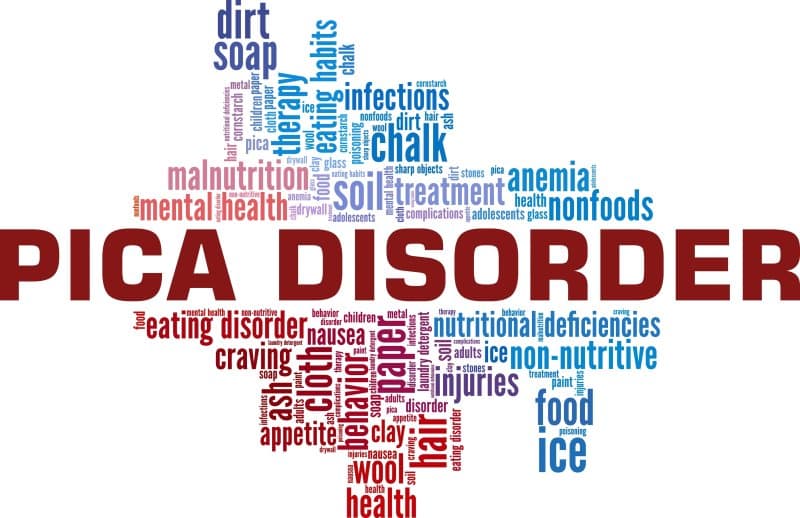
What is Pica Disorder and How Do Doctors Treat It Safely?
Quick TakeawaysIndividuals with this condition experience persistent cravings to eat nonfood items containing zero nutritional value.Medical research indicates iron deficiency anemia and zinc depletion frequently trigger unusual cravings in pregnant women and children.Clinical diagnosis requires doctors to observe compulsive nonfood eating behaviors lasting for at least one consecutive month.Blood tests, stool evaluations, and abdominal imaging help healthcare providers detect nutritional gaps and prevent dangerous intestinal blockages.Targeted nutritional supplementation combined with behavioral therapy resolves compulsive cravings safely without judgment or stigma.Imagine feeling an overwhelming, persistent urge to chew on ice, chalk, clay, or raw paper even when you know these items offer zero nourishment. Living with Pica Disorder often leaves individuals and worried parents feeling confused, isolated, or hesitant to speak openly with a physician. According to clinical data published by the National Institutes of Health, iron deficiency anemia affects roughly thirty percent of pregnant women globally, serving as one of the leading biological triggers behind unusual nonfood cravings. Understanding that these urges stem from genuine physiological or neurological signals rather than personal weakness removes unnecessary shame and opens the door to compassionate medical support.Recognizing the warning signs early protects your loved ones from serious digestive complications and toxic exposures. It empowers families to seek timely clinical evaluations and restore healthy nutritional balance quickly.In this medically grounded health guide, we explain what is pica disorder, outline key pica disorder symptoms, explore the primary causes of pica disorder, detail how is pica disorder diagnosed, and review effective pica disorder treatment options.What is Pica Disorder?Asking what is pica disorder addresses a recognized clinical feeding condition where a person compulsively eats nonfood substances that provide no nutritional value.Named after the Eurasian magpie, a bird famous for collecting and eating unusual objects, the pica eating disorder involves persistent cravings rather than accidental mouthing by curious toddlers. To meet medical criteria, the behavior must continue for at least one month, be inappropriate for the individual's developmental stage, and not represent a culturally accepted practice.What are the Early Symptoms of Pica Disorder?Identifying what are the early symptoms of pica disorder allows families and caregivers to intervene before severe physical complications develop.Early pica disorder symptoms often begin subtly before escalating into daily compulsive habits:Persistent Cravings for Specific Nonfood Items: Strong, recurring urges to consume substances such as dirt, clay, laundry starch, raw rice, soap, hair, paper, or paint chips.Secretive Eating Behaviors: Hiding nonfood items in pockets, bedrooms, or bags out of embarrassment or fear of judgment from family members.Unexplained Dental Wear: Chipped teeth, worn enamel, or gum irritation caused by chewing hard materials like pebbles, ice, or chalk.Mild Digestive Discomfort: Recurring stomach aches, nausea, constipation, or changes in stool appearance resulting from indigestible materials passing through the digestive tract.Primary Causes of Pica DisorderExploring the causes of pica disorder reveals a combination of nutritional deficiencies, developmental factors, and mental health conditions.Underlying FactorHow It Contributes to CravingsMost Commonly Affected GroupsMineral DeficienciesLow iron, zinc, or calcium levels trigger altered brain signalingPregnant women and growing childrenDevelopmental ConditionsSensory seeking behaviors or difficulty distinguishing edible itemsIndividuals with autism spectrum disorderMental Health StressorsCompulsive consumption serves as a self-soothing coping mechanismAdults facing severe stress or traumaRestricted DietsSevere malnutrition or chronic hunger drives indiscriminate eatingFood insecure populations worldwideUnderstanding these biological and psychological triggers ensures physicians address the root cause rather than merely scolding the behavior.Must Try: Is the Ayurvedic Diet Right for Your Lifestyle Even in 2026?Potential Health Complications and RisksLeaving compulsive nonfood consumption untreated exposes the body to serious internal injuries and systemic toxicity.Ingesting soil or flaking paint can introduce lead poisoning or harmful parasites into the bloodstream. Swallowing indigestible fibers such as hair, cloth, or string can form dense masses called bezoars that block the stomach or intestines, occasionally requiring emergency surgical removal. Sharp objects like metal fragments or glass shards risk puncturing the esophagus or intestinal walls.How is Pica Disorder Diagnosed by Physicians?Understanding how is pica disorder diagnosed clarifies the thorough, supportive medical evaluation patients undergo at the clinic.Detailed Medical and Dietary History: Doctors ask gentle, nonjudgmental questions about specific cravings, symptom duration, daily diet, and emotional stressors.Comprehensive Blood Panels: Laboratory tests measure hemoglobin, ferritin, zinc, and lead levels to uncover hidden anemia or heavy metal toxicity.Diagnostic Imaging and Stool Checks: Physicians may order abdominal X-rays to check for intestinal blockages alongside stool tests to rule out parasitic infections or internal bleeding.Try This: Digital Dementia: Symptoms, Causes & Prevention MechanismsEffective Pica Disorder Treatment ApproachesDelivering successful pica disorder treatment requires tailoring medical care to the patient's underlying health profile.Targeted Nutritional SupplementationWhen blood tests confirm iron or zinc depletion, physicians prescribe targeted mineral supplements and balanced meal plans. For many pregnant women and children, correcting iron deficiency anemia eliminates nonfood cravings completely within a few weeks.Behavioral and Sensory TherapyFor individuals whose cravings stem from autism spectrum traits, anxiety, or compulsive habits, behavioral therapists teach healthy sensory alternatives. Techniques such as differential reinforcement, environmental safety adjustments, and cognitive behavioral strategies help replace dangerous urges with safe coping tools.ConclusionUnderstanding compulsive nonfood cravings transforms fear and confusion into informed, compassionate medical action. Throughout this health guide, we defined what characterizes this feeding condition, highlighted early physical and behavioral warning signs, and examined core triggers ranging from iron deficiency anemia to developmental needs. We also outlined potential digestive risks, walked through clinical diagnostic steps, and reviewed targeted treatments combining nutritional restoration with supportive behavioral therapy.Recognizing that unusual cravings signal an underlying biological or emotional need empowers patients and caregivers to seek help without hesitation. Early medical guidance protects digestive health and restores lasting physical well-being.To explore evidence-based wellness resources, connect with trusted healthcare insights, and empower your family with reliable medical guidance today, visit our health platform cure.com to take charge of your well-being.FAQsCan pica cravings disappear automatically after pregnancy delivery?Yes, pregnancy-related cravings frequently fade shortly after childbirth once hormone levels stabilize and maternal iron stores replenish. However, doctors strongly recommend treating iron deficiency anemia immediately during pregnancy rather than waiting for delivery, as untreated mineral depletion and nonfood ingestion can harm both maternal health and fetal development.What is Pagophagia, and how does it relate to iron deficiency?Pagophagia is a specific subtype of compulsive eating characterized by an intense, daily craving to chew large quantities of ice or drink iced beverages. Medical researchers have established a strong link between pagophagia and severe iron deficiency anemia, noting that chewing ice temporarily increases blood flow to the brain and boosts alertness.How can parents safely childproof a home for a child with nonfood cravings?Parents can safeguard their home by storing household cleaners, laundry pods, cosmetics, small toys, and craft supplies inside locked high cabinets. Regularly vacuuming floors, inspecting older walls for peeling paint, covering outdoor sandboxes when not in use, and offering crunchy, nutritious snack alternatives help keep curious children safe during treatment.Does health insurance typically cover medical testing and therapy for eating conditions?Most comprehensive health insurance plans cover diagnostic blood panels, nutritional counseling, and medically necessary behavioral therapy when ordered by a licensed physician. Patients should verify specific mental health and nutrition benefits with their insurance carrier beforehand to confirm specialist referral rules and minimize out-of-pocket copayment expenses.Are certain medications known to trigger unusual nonfood cravings?Certain prescription medications, including specific antipsychotic drugs, mood stabilizers, and anticonvulsants, can occasionally alter appetite signaling or deplete essential minerals, leading to unusual cravings. Patients experiencing new nonfood urges after starting a prescription should consult their prescribing doctor before stopping any medication so alternative therapies can be safely evaluated.
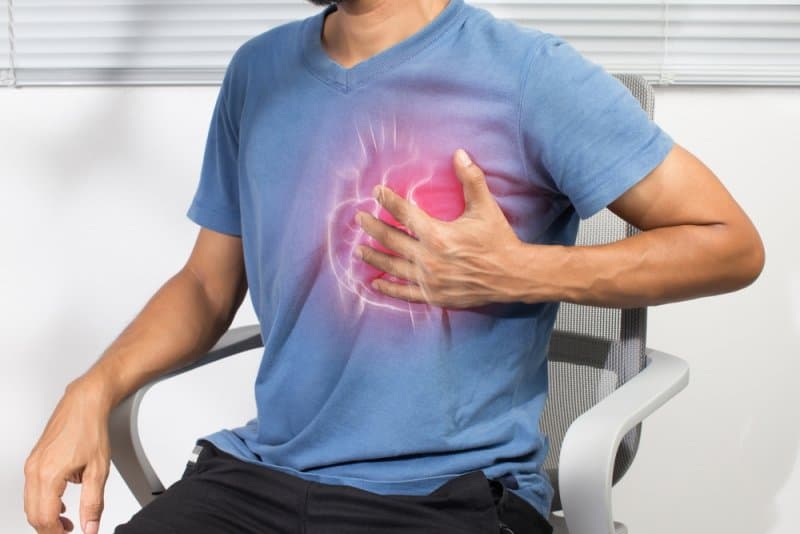
What are the Different Types of Heart Disease in 2026?
Quick TakeawaysCardiovascular conditions remain the leading global cause of mortality, accounting for nearly eighteen million deaths annually.Different types of heart disease impact distinct structures, including coronary arteries, heart valves, and electrical conduction pathways.High blood pressure, elevated cholesterol levels, physical inactivity, and chronic stress serve as primary underlying causes of heart disease.Diagnostic evaluations rely on electrocardiograms, echocardiograms, cardiac stress testing, and advanced coronary angiography procedures.Treatment of heart disease combines tailored lifestyle modifications, daily therapeutic medications, and advanced minimally invasive surgical interventions.Hearing a doctor mention potential cardiovascular issues can leave anyone feeling anxious and uncertain about their family's future. Learning about the various types of heart disease helps you recognize early warning signs and take proactive control of your long-term health. According to statistics published by the World Health Organization, cardiovascular conditions account for nearly eighteen million deaths globally each year, making early education vital for every household. When you understand how your heart functions, protecting your vital circulatory system becomes an empowering personal priority.Asking what is heart disease reveals an umbrella term describing conditions that impair normal cardiac function and blood flow. Gaining clarity on structural risks allows individuals to partner effectively with medical professionals before serious complications arise.In this comprehensive cardiovascular guide, we examine how many types of heart disease exist, outline common types of heart disease, analyze causes of heart disease, explain how heart disease is diagnosed, and detail modern treatment of heart disease options.What is Heart Disease?Heart disease refers to a broad spectrum of medical conditions affecting the structure and operation of your heart muscle, blood vessels, valves, and internal electrical systems. It encompasses any disorder that impairs the heart's ability to pump oxygen-rich blood efficiently throughout the body. Recognizing structural and vascular irregularities early allows individuals to seek timely medical care and protect their long-term cardiovascular health.What are the Different Types of Heart Disease?Asking what are the different types of heart disease involves examining conditions that affect muscle tissue, internal valves, blood vessels, and electrical rhythms.Coronary Artery Disease: Plaque buildup inside major coronary arteries restricts blood supply to heart muscle tissue.Heart Arrhythmias: Irregular electrical impulses cause the heart to beat erratically, too quickly, or too slowly.Heart Valve Disease: Heart valve disease occurs when one or more of your four internal cardiac valves fail to open or close properly. Stenosis causes valve flaps to stiffen, while regurgitation allows blood to leak backward, straining heart chambers over time. Cardiomyopathy: Cardiomyopathy affects the physical heart muscle itself, causing cardiac walls to become abnormally thick, rigid, or enlarged. As muscle tissue weakens, pumping efficiency drops significantly, often leading toward chronic heart failure if unmanaged. Congenital Heart Defects: Congenital defects represent structural heart abnormalities present from birth, altering normal blood flow patterns through heart walls or vessels. These structural issues range from simple septal holes to complex arterial misalignments requiring specialized pediatric surgeries. Pericardial Disease: Pericardial disease involves inflammation or fluid accumulation within the sac-like membrane surrounding your heart. Acute pericarditis triggers sharp chest pain that often worsens during deep breaths or while lying flat. Must Try: What Causes Heart Palpitations and How are They Treated?What are the Most Common Types of Heart Disease?Inquiring about what are the most common types of heart disease highlights the specific conditions diagnosed most frequently across global populations.Coronary Artery Disease and Heart FailureCoronary artery disease stands as the single most prevalent cardiovascular condition worldwide. As arterial blockages worsen over time, reduced blood flow weakens cardiac muscle, eventually leading to chronic heart failure if left unmanaged.Arrhythmias and Valve DisordersAtrial fibrillation represents the most frequent form of heart arrhythmia, significantly raising stroke risks. Additionally, age-related valve stiffness, such as aortic stenosis, affects millions of adults requiring regular monitoring and intervention.What are the Symptoms of Heart Disease?Recognizing early warning signs remains crucial for receiving prompt medical treatment during cardiovascular emergencies.Chest Pain or Pressure: Persistent discomfort, tightness, or squeezing sensations in the center of your chest.Shortness of Breath: Difficulty catching your breath during routine physical activities or while resting flat.Irregular Heartbeats: Sensation of fluttering, racing, or skipped beats inside your chest.Unexplained Fatigue: Overwhelming tiredness and weakness even after adequate nighttime rest.Swelling in Legs and Feet: Fluid retention in lower extremities caused by reduced pumping efficiency.What are the Causes of Heart Disease?In order to avoid heart disease, it is important to know the causes behind it to be cautious. Here are the causes of heart disease listed below:High Blood Pressure and Elevated CholesterolSustained high blood pressure damages delicate arterial walls over time, making them vulnerable to plaque accumulation. Elevated levels of low-density lipoprotein cholesterol accelerate fatty deposits, narrowing blood vessels and restricting vital circulation.Tobacco Use and Unhealthy DietSmoking introduces harmful chemicals into your bloodstream that inflame vessel linings and promote blood clots. Consuming diets high in saturated fats, trans fats, and excess sodium further damages vascular elasticity and elevates cardiovascular risks.Physical Inactivity and Chronic StressLeading a sedentary lifestyle weakens heart muscle strength and contributes to weight gain and metabolic disorders. Furthermore, unmanaged emotional stress elevates stress hormones, raising blood pressure and heart rates over prolonged periods.Try This: Types of Heart Attack: STEMI, NSTEMI, and Coronary SpasmHow Heart Disease is Diagnosed?Discovering how heart disease is diagnosed requires a combination of clinical exams, blood panels, and noninvasive diagnostic imaging.Electrocardiogram Evaluation: Records electrical signals to detect irregular rhythms and previous heart muscle damage quickly.Echocardiogram Sonography: Uses sound waves to produce real-time moving images of heart valves and chamber pumping strength.Cardiac Stress Testing: Monitors heart electrical activity and blood pressure during controlled treadmill exercise sessions.Coronary Angiography Imaging: Employs specialized dye and X-ray imaging to visualize arterial blockages precisely.What are the Treatment of Heart Disease?Exploring options for treatment of heart disease highlights personalized medical approaches designed to restore cardiovascular stability.Physicians prescribe medications like statins, beta blockers, and ACE inhibitors to manage blood pressure, lower cholesterol, and improve heart efficiency. Additionally, minimally invasive catheter procedures like angioplasty and stent placement open narrowed arteries. When structural damage is severe, open surgical options like coronary artery bypass grafting or valve replacement surgeries restore normal blood flow, supporting overall types of cardiovascular disease management.Essential Reads: What is the Difference Between Heart Attack vs Heart Failure?ConclusionTaking active charge of your cardiovascular wellness begins with understanding how different types of heart disease impact your body. Throughout this medical guide, we examined primary coronary conditions, reviewed underlying risk factors, outlined diagnostic imaging tools, and detailed modern therapeutic treatments. We also explored lifestyle strategies like exercise routines, dietary improvements, and stress management that strengthen overall cardiac resilience.Prioritizing heart health allows you to enjoy a vibrant, active life alongside loved ones. Making small daily changes to your diet, activity levels, and routine medical checkups helps safeguard your heart for decades to come.To learn more about personal health management, access expert wellness guides, and explore supportive therapeutic products today, visit our health portal to take control of your well-being.FAQsHow does chronic mental stress impact long-term cardiovascular function?Chronic mental stress triggers continuous release of stress hormones like cortisol and adrenaline throughout your bloodstream. These biochemical surges elevate resting heart rates, constrict blood vessels, and raise blood pressure levels. Over prolonged periods, unmanaged stress promotes vascular inflammation, accelerating plaque accumulation within coronary arteries and increasing overall cardiovascular risk profiles significantly.What specific role does sleep apnea play in cardiac health?Obstructive sleep apnea causes repeated breathing pauses during sleep, leading to sudden drops in blood oxygen saturation levels. These nighttime oxygen dips strain the cardiovascular system, forcing your heart to work harder to circulate oxygenated blood. Consequently, untreated sleep apnea correlates strongly with resistant high blood pressure, atrial fibrillation, and progressive heart failure.Can dietary sodium reduction reverse early vascular stiffening?Reducing daily sodium consumption helps lower blood volume by decreasing fluid retention within blood vessels. Lower fluid volumes reduce pressure exerted against arterial walls, alleviating mechanical strain on blood vessel linings. Over time, consistent dietary sodium reduction improves vascular flexibility, helping reverse early arterial stiffening and supporting healthy blood pressure levels naturally.How do wearable fitness monitors assist in detecting early cardiac irregularities?Modern wearable devices utilize optical sensors and single-lead electrocardiogram features to track heart rate patterns continuously throughout daily activities. These devices can detect silent episodes of irregular heart rhythms like paroxysmal atrial fibrillation, prompting users to seek professional medical evaluations before severe cardiovascular complications or stroke events occur.What is the difference between cardiac arrest and a standard heart attack?A heart attack is a structural blood flow problem caused by a blocked coronary artery preventing oxygenated blood from reaching heart muscle tissue. Conversely, cardiac arrest is an electrical problem where the heart suddenly stops beating unexpectedly. While a heart attack can trigger cardiac arrest, they remain distinct medical emergencies requiring unique treatments.
Popular Categories
Add Your Comment Here