-1717753922-r.jpg)

Adult acne remains a widespread skin condition that affects teenagers and continues after adolescence or emerges as a new problem after young adulthood. Adult acne demonstrates similar levels of frustration to adolescent acne while remaining more frustrating because it appears alongside adult life stresses and responsibilities. Managing your skin toward clarity requires knowledge and facts about adult acne and its causes alongside their solutions in cases of regular or chronic acne conditions. Learn what vitamins cause acne? And how to keep them at optimal levels.
What is Adult Acne?
Adult acne refers to the appearance of pimples, blackheads, whiteheads, and cystic lesions in individuals over 18. The hormonal changes associated with puberty create teenage acne symptoms, but adult acne develops due to hormone problems, life choices, pressure levels, and sometimes medical reasons.
The locations of adult acne most commonly cluster near the chin up to the jawline and down to the neck area for numerous affected adults. The rash manifests across the back, chest, and other body regions alongside its typical facial distribution. Patients with adult acne experience two types of skin inflammation namely, mild comedonal acne composed of blackheads and whiteheads and severe cystic acne requiring special medical care.
Unlike teenage acne, which is more likely to clear up over time, adult acne can be stubborn and require a multifaceted approach to treatment and prevention. Many adults with acne face concerns like aging skin, making treatment choices more complicated.
Learn More: What is Typhoid Fever: Symptoms, Causes, and More
Common Causes of Adult Acne
1. Hormonal Changes
Hormonal imbalances are a significant trigger for adult acne development. A change in androgen levels in both men and women causes excessive skin oil production, resulting in pore clogs that create acne. Hormonal acne affects women fundamentally during their menstrual cycle, pregnancy, and menopause periods, as well as when they have PCOS.
2. Stress
Repeated stressful situations cause the body's primary stress hormone, cortisol, to rise at elevated levels. The hormone enhances oil release from sebaceous glands, resulting in deteriorating acne conditions. Acute stress disrupts the body's healing process, so acne lesions take longer to recover.
3. Cosmetics and Skincare Products
People often unknowingly use skin care products that create pores die to their ability to block pores and cause skin irritations. Products marked "natural" and "organic" can worsen acne unless they carry non-comedogenic properties and match your distinct skin type needs.
4. Dietary Factors
Your food choices have an important influence on acne growth. Eating refined sugars alongside dairy products and processed ingredients brings about breakouts because it leads to skin inflammation and accelerated oil release.
5. Medications and Health Conditions
Acne sometimes emerges as a medication side effect from taking corticosteroids or specific birth control pills along with mood stabilizer treatments. Acne appears when specific health conditions modify human hormone levels and skin health characteristics.
Fascinating Facts About Adult Acne

1. More Women Than Men Are Affected
Adult acne poses a higher occurrence risk among female patients than any gender. Acne affects about 50% of the female population between the ages of 20-29 and 25% between ages 40-49 but occurs far less frequently in males during these age ranges. Hormonal changes during menstruation and pregnancy alongside breastfeeding years and menopause stages boost your skin oil production causing blocked pores.
2. Stress Is a Major Contributor to Breakouts
The stress levels common to modern life patterns typically create destructive impacts on how your skin looks and feels. Acne is not directly triggered by stress but this emotional state makes existing acne worse through multiple?machanisms. The release of cortisol because of stress leads your sebaceous glands to generate additional oil. Excess oil combines with dead skin cells and bacteria creating a pore-blocking mass that triggers acne appearances.
3. Cystic Acne Is More Common in Adults
Comparison of adult and teenage acne shows they exhibit varied presentation patterns. Young individuals primarily get simple skin issues such as whiteheads and blackheads and papules whereas mature skin develops cystic acne more frequently. Underneath skin layers cystic acne produces deep intensely painful inflammatory lesions. These cysts emerge through hormonal changes that primarily target female patients and develop on the areas of jawline and chin.
4. Acne Is Linked to Your Overall Health
Acne tends to appearsite itself around the lower face portion of the visage during PCOS or thyroid disorder manifestations. Acne appearing between your eyebrows indicates your liver needs help removing harmful substances from your body. Acne develops when your gastrointestinal system faces either inflammatory conditions or microbiome disruptions. Research shows an existing relationship between your digestive system and your skin health which experts describe as the gut-skin axis.
5. Adult Acne Affects Mental Health
Skin issues which appear in adults extend past surface-level beauty concerns because they produce severe impacts on personal mental well-being. Acne-prone individuals develop higher risks of depressive symptoms as well as anxiety levels and lowered self-image according to scientific research. Adults commonly develop mental health issues related to acne because they feel shame or discrimination because of their condition. The societal connection between perfect skin and beauty and health creates feelings of inadequate and ashamed for adult acne sufferers.
What Vitamins Can Cause Acne?

1. Vitamin B12
Vitamin B12 supports three vital functions in the body: generating energy while helping create red blood cells and maintaining proper nerve system operation. Broad applications of vitamin B12 result in microbial skin disruptions since Propionibacterium acnes (attracting material to acne) exists naturally within human skin microbiomes.
2. Vitamin D
Vitamin D functions as the "sunshine vitamin" because it provides essential support for healthy bone development and both immunity and mood stabilization. Through its support of skin barrier health and anti-inflammatory properties vitamin D contributes to preserving healthy skin. Your skin will experience adverse effects when you take excessive doses of vitamin D supplements.
3. Vitamin A (in Retinol Form)
People consider Vitamin A to be one of the best active elements for acne-prone skin because it controls cell regeneration and cuts oil production while stopping pores from becoming blocked. Acne treatments use vitamin A as an active ingredient in both topical retinoid medications and oral medications known as isotretinoin.
4. Vitamin E
Skin finds protection from harmful free radicals along with environmental stress when using antioxidant vitamin E. This ingredient appears in skincare products that moisturize along with helping wounds heal. Vitamin E products delivered through rich creams or oils create pore blockage and trigger acne primarily for people who have normal or oil-prone skin types.
5. Biotin (Vitamin B7)
Biotin is a water-soluble vitamin that supports healthy hair, skin, and nails, making it a popular supplement for beauty enthusiasts. However, excessive intake of biotin can lead to breakouts. Biotin competes with vitamin B5 (pantothenic acid) for absorption in the body. Vitamin B5 is vital for regulating oil production in the skin, and when its levels are reduced due to high biotin intake, sebum production can increase. This leads to clogged pores and acne.
What Foods Cause Acne?
1. Dairy Products
Consuming dairy products such as milk and cheese and yogurt increases oil production and blocks your skin pores. The growth hormone IGF-1 in milk stimulates sebaceous glands to generate additional oil through their action. When too much oil builds up it seeds pores and builds spaces for acne-causing germs to survive. Higher intake of dairy products can induce inflammatory responses throughout your body that makes acne symptoms especially worsen for individuals who experience cystic lesions.
2. Sugary Foods
A food which contains high sugar is classified under high glycemic index because it reportedly triggers fast blood sugar spikes. When the blood sugar level rises rapidly insulin is released through the body which helps manage blood sugar levels. An insulin level surge produces higher androgen hormones and causes oil production and pore blocking.
3. Fried Foods
Animal foods prepared by deep frying cotton candy potatoes alongside fried birds remain linked to acne breakouts through multiple pathways. There isn’t a one-to-one link between pore blockages and dietary grease although foods high in oil content still affect your skin through unacceptable indirect mechanisms.
4. Refined Carbohydrates
Individuals with acne frequently experience outbreaks because refined carbohydrates like white bread and pasta alongside white rice and pastries increase blood sugar levels. When the body breaks these foods into glucose it triggers insulin spikes that eventually affect acne development.
Chocolate
Milk chocolate often gets accused of leading to acne outbreaks since many people blame the sweet treat as their acne's source. The higher cocoa content in dark chocolate makes it less inflammatory toward acne-prone skin but milk chocolate includes ingredients which trigger skin irritations leading to breakouts.
Effective Treatments for Adult Acne
1. Topical Retinoids
Consumers consider treatments based on Vitamin A derivatives called retinoids as one of the most successful acne therapeutic classes. Treatments activate cellular decay and stop pore-clogging dead skin cells and decrease swelling. Adults can take advantage of retinoids because these products not only restore skin to a smoother condition but also address fine wrinkles and diminution of skin tone and repeated skin lines.
2. Oral Medications
The hormonal regulation provided by birth control pills reduces womens androgen levels thus controlling acne triggers. Doctors commonly prescribe Spironolactone to block androgen receptors for women who have hormonal acne. This treatment method shows remarkable success in treating hormonal acne problems located on chin and jawline areas. The acne-causing conditions disappear when Isotretinoin (Accutane) lowers the activity of oil glands by shrinking them.
3. Chemical Peels
The office-based treatment known as chemical peels effectively clears pores while diminishing inflammation to create improved skin texture. By applying chemical solutions to the skin professionals can remove the damaged outer layers to display new skin that appears smoother and clearer. Skilled interventions using chemical solutions of acids including salicylic and glycolic and lactic allow skin exfoliation thus pore clearing and surface refinement.
4. Blue Light Therapy
The modern treatment of blue light therapy directs its therapeutic beams against acne-causing bacteria (Propionibacterium acnes or P. acnes) without harming adjacent skin tissues. This safe skin-care intervention works well for various skin types while regularly pairing with alternate treatments.
5. Over-the-Counter Treatments
Mild to moderate cases of adult acne can often be managed with over-the-counter (OTC) products. These products contain active ingredients that target different aspects of acne, such as bacteria, oil production, and inflammation. Products containing benzoyl peroxide, salicylic acid, or sulfur can help reduce mild to moderate breakouts when used consistently.
Ways to Prevent Adult Acne
1. Use a Gentle Skincare Routine
The skin can be help by avoiding harsh cleansers and exfoliators that strip the skin of its natural oils, causing it to over produce and make oil, resulting in breakouts.
2. Eat a Balanced Diet
Instead, concentrate on eating whole foods, like fruits, vegetables, lean proteins and healthy fats, but shunning sugary, fried and processed foods.
3. Manage Stress Levels
Exercise, or even yoga, meditation, or simply carving out time in your day for yourself can get rid of stress related acne.
4. Cleanse Thoroughly
Never go to sleep with makeup on, wash your face first. Double cleansing is particularly helpful if you’re trying to clean out the gunk.
5. Prioritize Sleep
Detoxification and skin regeneration are critical to awakening healthy glowing skin. As much as possible for 7-8 hours non interrupted sleep each night.
Conclusion
It’s no secret that adult acne can be a frustrating challenge, but it’s important to remember that you’re not powerless against it and dozens of others with acne are fighting the same battle along with you. It happens to millions, and with the right knowledge, some lifestyle changes along with treatments, people can handle and even prevent breakouts. Wherever you are in your treatment journey, if over-the-counter remedies aren’t working, don’t hesitate to consult a dermatologist who can create a set of tailored treatment options for you.
Frequently Asked Questions
1. Can stress alone cause adult acne?
Directly stress doesn’t cause acne, but it does raise cortisol levels, which are associated with an increased production of oil and inflammation that ultimately leads to breakouts (more so on the chin and jawline).
2. Is adult acne hereditary?
Of course genetics does have a role. Skin traits that you get from your parents if you have had adult acne.
3. How long does it take for the treatments to work?
Acne treatments usually take 6–8 weeks. This is important and some might need more severe treatment such as isotretinoin.
4. Can makeup worsen adult acne?
It’s very important to avoid using non comedogenic (or pore clogging) makeup. If you wear makeup that’s left on overnight or packed with irritating ingredients, it can clog your pores and make your acne worse.
5. Does drinking water help prevent acne?
Maintaining hydration helps to flush out toxins and oil, and to keep your skin healthy, but too much diet caffeine or even bad diet habits like skipping meals will not prevent hormones acne or other skin issues.
Recent Articles
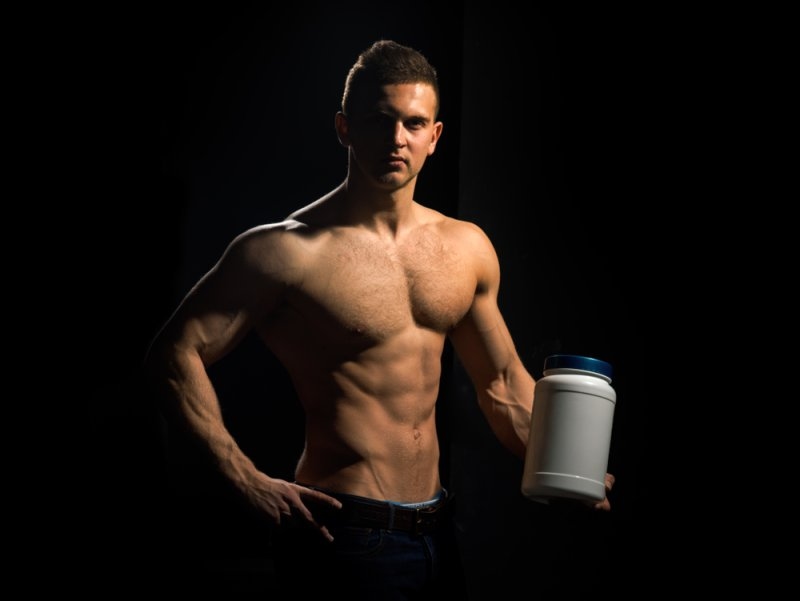
How to Build Muscle Without Supplements Naturally & Safely?
The fitness industry thrives on your massive insecurities. They sell brightly colored powder in cheap plastic tubs. You buy the tub expecting an overnight physical mutation. Reality hits extremely hard. Real physical growth demands brutal iron. It demands massive calories. You must learn exactly how to build muscle without supplements to develop permanent size. Powders act as a weak crutch, and whole food builds actual dense architecture. You tear the biological fibers down on the gym floor. You patch those microscopic holes in the kitchen. Quit relying on chemical shortcuts today. Force your physique to grow the hard way.Why People Want to Build Muscle Naturally Without Supplements?Fitness influencers push useless powders constantly to fund their own luxury lifestyles. Consumers waste thousands of dollars annually on chemical mixtures. Those mixtures deliver zero real biological advantage. Your internal organs process the excess synthetic junk immediately. You literally piss your hard-earned paycheck down the drain. People are finally waking up to this massive retail scam. They demand absolute control over their internal health.Relying strictly on whole foods forces a massive metabolic upgrade. Your digestive tract absorbs raw nutrients from real meat faster than isolated factory derivatives. Building a physique solely on raw ingredients creates permanent tissue density. Fake water weight vanishes the exact second a supplement cycle ends. Natural muscle stays locked directly on your frame. You keep every single ounce you earn.How to Build Muscle Without Supplements: Step-by-StepStop hunting for secret daily routines. Follow these exact biological commands to force cellular adaptation.1. Force Progressive OverloadLift heavier weights every single week. Your central nervous system must perceive a direct physical threat to survive. Stagnant weight builds absolutely nothing.2. Execute a Caloric SurplusShove an extra five hundred calories down your throat daily. Your broken fibers require that specific energy surplus to weave back together.3. Mandate Deep SleepThe gym destroys tissue completely. The bed repairs itself. Sleep eight uninterrupted hours. Your brain dumps massive amounts of natural growth hormone only during deep REM cycles.4. Track the MetricsGuessing your daily protein intake guarantees failure. Buy a digital food scale today. Weigh the raw chicken breast. Log the exact macronutrient breakdown daily.Understanding the Benefits of Natural BodybuildingChemical shortcuts destroy your internal organs over time. Ditching the synthetic route guarantees lifelong physical dominance.1. Permanent Tissue RetentionFake chemical mass deflates immediately when you stop taking the powder. Natural tissue stays anchored to your bones. You keep the size forever.2. Zero Hormonal CrashesSynthetic compounds shut down your natural testosterone production. Natural lifting spikes your internal endocrine system organically. You maintain steady aggression daily.3. Total Financial DominanceA tub of premium whey costs sixty bucks. A carton of fresh eggs costs three. You save thousands of dollars while building a vastly superior anatomical structure.4. Superior Digestive HealthHeavy supplement powders destroy your gut microbiome. You suffer from endless bloating. Whole foods digest cleanly. Your stomach flattens out while your chest expands.5 Best Exercises for Strength Training for Muscle GrowthCable machines waste your limited gym time. Grab the heavy iron to force maximum neurological recruitment. Here are the 5 best exercises for strength training:1. Heavy Barbell SquatsThe undisputed king of mass. You load the spine directly. The sheer physical stress forces your entire body to release growth hormone instantly.2. DeadliftsRipping dead weight off the floor thickens your entire posterior chain. Your traps explode. Your lower back turns into pure armor.3. Flat Bench PressYou press a heavy weight over your throat. The movement forces the pectoral fibers to stretch violently under extreme mechanical tension. This is an effective exercise to build strength gradually.4. Standing Overhead PressSitting down ruins the movement entirely. Stand up. Push the barbell straight to the ceiling. Your shoulders widen significantly.5. Barbell RowsHinge at the hips. Yank the bar violently into your stomach. The exact motion thickens your lats instantly.5 Effective Muscle Building Tips for Best ResultsHalf-hearted gym sessions yield zero physical changes. You must execute your workouts with absolute precision.1. Hit Total FailureStopping a set when it hurts achieves nothing. Push the muscle until it physically cannot move the iron another inch. That specific threshold triggers the growth signal.2. Extend Rest PeriodsShort rests look good on paper. They ruin raw strength. Sit down for three full minutes between heavy sets. Let your central nervous system recover completely.3. Master the EccentricDropping the weight fast kills your gains. Fight the negative portion of the rep. Lower the barbell slowly. That eccentric stretch tears the most fibers.4. Prioritize FrequencySmash every muscle group twice every seven days. You trigger protein synthesis twice as often.5. Hydrate AggressivelyDehydrated muscles look incredibly flat. They cramp under heavy loads. Drink a gallon of pure water daily. Fluid fills the cells instantly.How to Meet Workout Nutrition for Muscle Gain?Treat your kitchen like a biological factory. Shoving random calories down your throat just makes you fat.1. Slam Fast Carbs Post-WorkoutHeavy lifting drains glycogen fast. Eat a huge bowl of white rice immediately after you drop the last dumbbell. It spikes insulin violently.2. Chew Real BeefSteak contains natural creatine. It provides dense iron. Your red blood cells demand those exact minerals. Eat a heavy cut of beef every single evening.3. Whole Eggs DailyDitch the egg whites. The yolk holds the precise cholesterol required to manufacture raw testosterone. Eat five whole eggs for breakfast.4. Salt Your FoodSodium drives massive blood flow directly into the working muscles. Salt your pre-workout meals heavily for a skin-tearing pump.ConclusionStop looking for a magic pill. The fitness industry lies to you constantly to secure your credit card. You absolutely can build muscle naturally. The process just requires years of unbroken discipline. Put the heavy barbell on your back. Shove massive amounts of dense calories down your throat. Master your workout nutrition for muscle gain through raw animal proteins. Frequently Answered Questions1. Can you build muscle without protein supplements?Yes. Animal meat boasts a far superior bioavailability rate compared to factory-processed whey. Your digestive tract pulls exact amino acid profiles from chicken perfectly. You absorb the raw fuel without the massive insulin spike caused by artificial sweeteners hidden inside the commercial tubs.2. How to gain muscle naturally without supplements?You manipulate mechanical tension. You also execute exact caloric math. Force a muscle to move an uncomfortably heavy load. That creates a micro-tear. Feed that exact tear with a caloric surplus of three hundred clean calories. The tissue weaves back together slightly larger to survive the next physical assault.3. What is the best diet to build muscle without supplements?You require exactly one gram of protein per pound of raw body weight. Fill the rest of the plate with fast-digesting carbohydrates like white potatoes. Add heavy saturated fats from red meat. Avoid seed oils entirely. They trigger systemic inflammation that directly blunts the cellular recovery process.

Walking VS Running for Weight Loss: Things You Must Know
People overcomplicate cardio. They obsess over heart rate zones, expensive smartwatches, and absurd treadmill inclines while ignoring the absolute basics. Burning off excess weight demands strict consistency, not a biochemistry degree. Pounding the pavement obliterates calories rapidly, but it shatters joints if the body lacks preparation. Taking a massive, fast-paced hike strips fat slowly without destroying the knees. Picking the right weapon dictates whether the fat melts off or injuries sideline the entire effort.Must Read: Best Exercises To Lose Belly Fat And Get A Flat StomachWalking vs Running for Weight Loss: Understanding Its ImportanceChoosing exactly how to attack daily cardio dictates the entire physical outcome. Walking vs running for weight loss forces a direct choice between sustained low-impact endurance and brutal, high-intensity calorie incineration. Ignoring the strict physical demands of either method guarantees fast burnout or serious structural damage to the lower body. The central nervous system reacts entirely differently to casual striding compared to explosive sprints, shifting how the metabolism breaks down stored fuel.Locking in the right strategy prevents massive setbacks. Heavy runners often suffer shin splints and blown-out knees, instantly halting all progress. Taking a lazy stroll around the neighborhood barely spikes the heart rate and completely wastes time. Nailing the right intensity forces the body to recover fast and actually torch stubborn fat.Walking or Running for Weight Loss: What to Choose? Picking the right method means getting brutally honest about current fitness levels. Test the knees, check the gas tank, and commit to a routine that handles daily physical abuse without blowing out a joint. 1. Heavy Starting WeightsCarrying an extra fifty pounds destroys knee cartilage during heavy jogs. Overweight beginners must strictly march to save their joints from completely collapsing under the excess force.2. Available Training TimeA quick thirty-minute window demands max effort. Hitting a fast, high-intensity jog burns heavy calories rapidly before the daily clock runs out.3. Current Injury HistoryBad ankles or blown ACLs instantly disqualify high-impact pavement pounding. Fast-paced striding protects old surgical repairs while still elevating the heart rate effectively.4. Recovery CapacitySprinting tears muscle fibers and requires serious sleep to repair. Fast hiking allows the legs to bounce back the very next morning without dealing with extreme muscle soreness.5. Mental Burnout ThresholdHating the workout guarantees eventual failure. Pick the exact movement that feels sustainable rather than forcing a miserable, soul-crushing daily grind that ends after two weeks.Top Pick: Maximize Your Results with Super Sets and Circuit TrainingWalking VS Running for Fat Loss: Understanding Key DifferencesBurning raw body fat requires understanding exactly how the body utilizes different internal energy systems. Walking vs running for fat loss directly contrasts low-intensity fat oxidation against massive total calorie destruction.1. Caloric Burn RateHitting a solid jog burns twice as many calories a minute as a basic walk. If the goal is burning maximum fuel in minimum time, speed always wins.2. Primary Fuel SourcesA steady, slow pace forces the body to feed directly on stored fat just to keep the legs moving. Hitting an all-out sprint completely changes the engine, making muscles chew through stored carbs for instant and explosive power. 3. Afterburn EffectBrutal and heart-pounding miles elevate the metabolic rate for hours after the shoes come off. A casual stroll shuts off the calorie furnace the exact second the movement stops.4. Appetite SpikesHeavy endurance work triggers massive hunger signals, often causing massive overeating later in the day. Slower, controlled movement keeps the appetite stable and prevents aggressive calorie binges.5. Muscle RetentionConstantly grueling marathon miles strip away hard-earned muscle mass. Power striding protects the legs and keeps the upper body completely intact while still melting the gut.Is Running or Walking Better for Weight Loss?Ending the debate requires looking strictly at the raw numbers and the individual physical frame. Deciding if running or walking is better for weight loss hinges entirely on daily execution, a strict diet, and physical longevity.1. Speed AdvantagePushing the pace forces the heart and lungs to adapt rapidly. If time remains the ultimate constraint, speed always wins the raw calorie math every single time.2. Consistency FactorA brutal workout done once a week is no match for a moderate routine executed every single day. Sustainability creates real physical changes over a brutal six-month timeline.3. Joint PreservationA shattered knee burns zero calories. Fast-paced hiking ensures the body survives the long haul without requiring massive medical intervention or heavy cortisone shots.4. Dietary DominanceNeither method outworks a terrible diet. Smashing a heavy pizza after a brutal five-mile sprint instantly deletes all the hard work accomplished on the track.ConclusionFixating purely on the scale guarantees complete mental frustration. The real battle involves picking the exact tool that forces the body to adapt without breaking down structurally. Whether deciding on walking or running for weight loss, the absolute non-negotiable factor remains relentless daily consistency. A perfectly executed jog destroys massive calories, while aggressive, weighted hiking protects the knees and builds savage endurance. Frequently Asked QuestionsIs walking or running better for weight loss?The answer strictly depends on current joint health and total available time. Heavy impact destroys untrained knees, making fast striding the superior choice for heavy beginners. However, if the schedule is packed and the joints hold up under pressure, pushing a fast pace incinerates double the calories in the exact same timeframe.Do you lose more weight by running or walking?Strictly looking at the math, a faster pace burns significantly more total calories per minute. Moving faster forces the heart to work harder, generating a massive energy deficit. However, if pounding the pavement causes an injury that ruins the week's routine, the slower, consistent pace ultimately yields better long-term physical results.How does the body burn calories walking vs running over a set distance?Covering a single mile burns a similar baseline of energy regardless of speed, but the faster pace accomplishes the work in half the time. The massive difference comes from the physiological afterburn effect, where high-intensity sprints keep the metabolism highly elevated for hours, while slower paces shut down energy expenditure immediately.

Is the Ayurvedic Diet Right for Your Lifestyle Even in 2026?
Key TakeawaysThe Ayurvedic diet is the world's most ancient way of eating, rooted in India for over 5,000 years. The core principle is to eat according to your specific constitution-or dosha-so your food becomes a unique fit just for you. Whole foods, eating mindfully, and sticking to what's in season are at the core of Ayurveda. Early studies say this style of eating supports good digestion, steady weight, and lasting wellness-especially if you build it into a healthy routine. And the good news? You don't need to flip your life upside down to start. Beginners can ease in with small changes.If you're tired of fad diets promising miracles overnight, Ayurveda offers a refreshing change of pace. Think of it as "food as medicine," but rooted in centuries of tradition-not just marketing hype. Ayurveda comes from India and is one of the planet's oldest holistic health systems. Now, as more people look for gentle, sustainable ways to feel better, interest in Ayurveda is taking off everywhere. The National Center for Complementary and Integrative Health says it's still one of the world's most widely practiced traditional medical systems.Ayurveda doesn't ask you to count calories or punish yourself with lists of forbidden foods. Instead, you focus on fresh, real ingredients, listening to your body, and finding what feels balanced. In this guide, you'll learn what the Ayurvedic diet is all about, which foods fit, how it connects to weight and detox, and practical tips for getting started.What is the Ayurvedic Diet? Ayurveda believes everyone has a unique mind-body type called a dosha. Keeping your doshas balanced is the secret to feeling better, both physically and mentally.Here's a quick look at the doshas:Vata Linked to air and space. If you're mostly Vata, warm, spiced, hearty meals usually help you feel grounded.PittaRuled by fire and water. Pittas thrive on cooling foods like leafy greens, juicy fruits, and grains-steering clear of too much spice.KaphaA mix of earth and water. Kaphas benefit from lighter, spicier meals that keep energy up and digestion humming, while avoiding lots of sweets and heavy dairy.Ayurveda asks you to tune in: age, environment, even the weather-all of these play a part in what your body needs.How Does the Ayurvedic Diet Work?Ayurveda isn't just about what's on your plate-it's about how and when you eat. Meal timing, digestion, mood, and lifestyle routines all matter.Here are a few core habits:Make your meals fresh when you can.Eat what's in season.Don't eat if you're not actually hungry.Stop before you're stuffed.Eat slowly, without multitasking.Give your body time to digest before the next meal.Ayurveda also suggests keeping regular mealtimes because it helps your body's rhythms and digestion stay on track.Ayurvedic Diet Foods to EatYour dosha guides the specifics, but most Ayurvedic diets share a few foundational foods:What to eat more oftenFresh vegetables and fruitsWhole grains-rice, oats, barley, quinoaLentils and beansNuts, seeds, and healthy oils (like ghee or sesame oil)Flavorful herbs and spices-ginger, cumin, turmeric, coriander, fennelHerbal teasPlain yogurt in moderationWhat to cut back onHighly processed foodsRefined sugars and artificial sweetenersDeep-fried foodsVery cold drinksProcessed meats and heavily packaged snacksIt's not about strict rules. Ayurveda just nudges you toward foods that really nourish you, so balance happens naturally over time.Ayurvedic Diet for BeginnersYou don't need a kitchen overhaul to start. Begin with tiny changes that fit your routine.Easy ways to start:Keep regular mealtimes.Cook more often, using fresh ingredients.Sip warm water throughout the day.Sprinkle in digestive spices like ginger or cumin.Gradually swap out processed snacks.Eat without scrolling your phone or watching TV.Small, consistent tweaks let you notice how different foods make you feel, without the overwhelm.Can an Ayurvedic Diet Help With Weight Loss?Lots of folks come to Ayurveda hoping to lose weight, but it's not a quick-fix plan. The goal is steady, healthy routines that line up with good nutrition science, but yes, it helps in an Ayurvedic diet for weight loss:Less processed food, more real plantsPlenty of filling fiberSmaller portions when you're satisfiedEating slowly, paying attentionSticking to regular mealtimesSome small studies suggest weight loss with Ayurvedic routines, but researchers still want larger, more robust trials. Most people see the best results when they swap old habits for fresh, nutritious routines-rather than stressing over cutting calories dramatically.Ayurveda Detoxification Diet: Does It Really Work?Ayurveda talks a lot about clearing out "ama," or toxins that build up from poor digestion and lifestyle. Cleanses usually center around warm, simple foods (think kitchari-a stew of rice, mung beans, mild spices, and ghee), gentle movement, hydration, and mindful eating.People often say they feel lighter or more energetic after an Ayurvedic cleanse, but science is limited. Doctors generally agree that your liver and kidneys naturally detox for you. Still, eating fewer processed foods and more whole ingredients can make a real difference in your energy and digestion. If you're eyeing a tough or long detox, check in with your doctor first.Benefits of Following an Ayurvedic DietThere's a reason Ayurveda is gaining fans-it's about real, lasting health.Better DigestionWarm, fresh meals and digestive spices like ginger, cumin, and fennel can help tame bloating and keep things moving.Mindful EatingWhen you eat slowly and tune out distractions, you actually notice when you're full (and enjoy your food more, too).More Whole FoodsYou'll naturally eat more plants, grains, legumes, and healthy fats-and less junk. Modern nutritionists approve.Healthy WeightIt's not a "weight-loss diet," but the focus on balanced meals, portions, and routines helps weight management fall into place over time.Sustainable PracticesUnlike restrictive meal plans that are easy to give up on, Ayurveda's advice for sustainable lifestyle habits can be maintained every day. Possible Drawbacks to Keep in Mind Ayurveda isn't immune to dietary fallacies. Traditional and unsupported methods are worth being aware of, as not all dosha assessments performed by providers yield the same results. More extreme forms of diets could lead to the restriction of complete food groups, which isn't ideal for those with nutritional challenges, allergies, or illnesses. It's always smart to talk with a registered dietitian or your doctor before making big changes. The best approach? Take Ayurvedic principles that work for you and blend them into solid, evidence-based nutrition.Simple Ayurveda Diet Plan for BeginnersIf you want to give it a go, here's a sample day:BreakfastWarm oatmeal topped with cinnamon, nuts, and fruitLunchBrown rice, lentil curry, steamed veggies, cucumber saladSnackA piece of fresh fruit or a small handful of almondsDinnerVegetable soup or kitchari with lightly cooked seasonal veggiesDrinksWarm water or herbal teas all dayEasy, nourishing, and fits most schedules.Must Try: 15 Ayurvedic Herbs and Spices for Powerful HealingConclusionAyurveda is more than lists of what to eat or skip-it's about your personal relationship with food and keeping your body in balance. Tuning in to the seasons, focusing on digestion, and building mindful routines all align with the moves recommended by modern nutrition experts. There's still a lot we don't know about exactly how it all works, but eating fresh, real foods and regular mealtimes helps nearly everyone. If you're new, start gently. Those tiny, consistent steps often bring the biggest, most sustainable improvements.Ready to Build Healthier Eating Habits?Change doesn't have to be dramatic. Little changes every day-a healthy breakfast, a small serving of veggies, paying attention at the table-add up over days, weeks, and months. Practice, don't pursue perfection. Start wherever you are, and keep moving forward, one meal at a time.FAQsCan You Follow an Ayurvedic Diet If You're Vegetarian or Vegan?Yes, the Ayurvedic diet is Full of plant foods. Lentils, beans, grains, fruits, vegetables, and nuts are all on the Ayurvedic Diet list of approved foods. Those who follow a vegan lifestyle will find it easy to substitute animal products with plant-based alternatives, e.g., coconut yogurt or olive oil instead of ghee, and maintain a well-rounded diet.Does the Ayurvedic Diet Recommend Counting Calories? The Ayurvedic Diet does not focus on counting numbers. Instead, it focuses on what you eat and how you eat it, rather than on what you consume. The emphasis is placed on the quality of your food, your hunger, and a moderate amount of food rather than the exact number of calories you consume. That said, if you need extra guidance for health or weight goals, get support from a nutrition pro.How Long Does It Take to Notice Results From an Ayurvedic Diet? It really depends on your starting point and your habits outside the kitchen. Quite a few people notice better digestion and more energy within a few weeks of eating fresh, less-processed food. foods. The deeper results-weight management and lasting well-being-take shape the longer you stick with it. Patience and consistency always pay off.

Oil Pulling Benefits for a Healthy Morning Mouth Routine
Key LessonsOil pulling is an easy habit to work into your morning, and it can help keep your teeth cleaner and your breath fresher.The real key is consistency, not how long you swish.Both coconut and sesame oil do the job-they just offer different benefits.Think of oil pulling as a boost for your oral hygiene, not a replacement for brushing and flossing.A few tweaks in how you do it can make it work even better.Most people start their mornings with a cup of coffee or tea. Some grab their toothbrush right away. But there's another ancient habit that's quietly hanging on: oil pulling. People keep coming back to it, and more are giving it a try, hoping for a fresher mouth, healthier gums, or just that clean feeling before breakfast.Oil pulling really isn't complicated. You don't need any fancy products or major changes to your routine, and it fits right into busy mornings. If you stick with it, you might notice fresher breath, cleaner teeth, healthier-looking gums, and just a nicer start to your day.Oil Pulling Benefits Can Improve Your Morning Oral Care RoutineThe biggest oil pulling benefits come from consistency, not complexity. It takes only a few minutes and requires very little effort, yet many people notice their mouth feels cleaner before they even brush.The practice works as an extra step in oral care instead of replacing the basics. Brushing, flossing, and seeing your dentist regularly-none of that goes out of style.People say oil pulling gives them fresher breath in the morning, teeth that feel extra clean, gums that look healthier, less plaque over time, and just an all-around fresher mouth. Of course, everyone's experience is a little different.What is Oil Pulling and Why Has It Stayed Popular?Many people still ask, "What is oil pulling? Simply put, it is the practice of swishing edible oil around the mouth before spitting it out. Traditionally, sesame oil was common, though coconut oil has become equally popular today.Understanding what is oil pulling helps remove unrealistic expectations. It is not a cure for dental disease, nor is it a replacement for brushing. Instead, it supports overall oral hygiene by helping clean areas that brushing alone may miss.The reason what is oil pulling remains relevant is simple. The routine is inexpensive, easy to follow, plus requires no special equipment. That makes it practical for almost anyone.How Does Oil Pulling Work Inside the MouthA common question is how does oil pulling work if there are no chemicals involved. The answer is fairly simple. When you swish oil around your mouth, it mixes with your saliva and flows between your teeth, around your gums, and across the spots where bacteria love to hide. That motion helps loosen up gunk, so brushing works even better.Knowing how does oil pulling work also explains why gentle swishing matters more than aggressive movement. The goal isn't force. It is allowing enough contact time for the oil to coat different parts of the mouth.Don't Miss: Lemon Essential Oil: Benefits for Health and WellnessMaking the Routine Simple Every MorningMorning habits only last when they stay realistic. Trying complicated wellness routines usually ends the same way-they disappear after a week. Oil pulling succeeds because it fits naturally before brushing your teeth.A practical morning routine could look like this.StepTime NeededPurposeOil pulling5-10 minutesFreshens the mouth before brushingBrush teeth2 minutesRemoves plaque and cleans teethFloss1-2 minutesCleans between teethRinse if neededLess than 1 minuteRemoves remaining debrisSimple routines usually become lasting habits.How to do Oil Pulling Correctly Every Time?Many beginners wonder how to do oil pulling correctly without making mistakes. Start with about one tablespoon of oil. Swish gently around your mouth. Avoid gargling or swallowing it. Once finished, spit the oil into a trash bin instead of the sink since oil may harden inside plumbing.Learning how to do oil pulling correctly also means avoiding unnecessary force. Gentle movement works well enough. After spitting out the oil, rinse with water, then brush your teeth normally.How Long to do Oil Pulling Daily Without Overdoing it?Another question appears almost everywhere-how long to do oil pulling daily? Most people find somewhere between five and ten minutes comfortable. Some continue for fifteen minutes, though beginners usually build up gradually instead of starting there immediately.Understanding how long to do oil pulling daily depends on comfort as much as timing. If your jaw begins feeling tired, stop. There is no benefit in forcing it.Suggested Reading: Myrrh Oil: Enhancing Health And Wellness With Its BenefitsOil Pulling for Oral Health and Teeth Whitening ExpectationsOne reason interest keeps growing is oil pulling for oral health and teeth whitening. A lot of folks notice their teeth feel smoother and their breath smells better after adding oil pulling to their routine.It's a solid boost for your oral health and can make teeth look brighter, but don't expect it to erase deep stains like professional whitening does. Coffee, tea, tobacco stains, or discoloration caused by aging often require different solutions.Coconut Oil vs Sesame Oil for Oil Pulling ComparisonChoosing between oils can feel confusing. The good news is that both remain widely used.The table below makes the comparison easier.FeatureCoconut OilSesame OilTasteMild, slightly sweetRich, nuttyTextureSolid in cooler weatherAlways liquidPopular choice todayVery commonTraditional optionBest suited forBeginnersThose who follow traditional practiceOverall experienceFresh feelingSmooth swishing experienceWhen discussing coconut oil vs sesame oil for oil pulling, neither option is universally better. Personal preference matters.Also Read: Discover the Power of Clary Sage Oil: Benefits And BeyondConclusionLike anything you do for your health, the differences show up slowly. Some folks feel results in a few weeks. Others need more time. The trick is keeping expectations reasonable and just sticking with it. If you really want great results, you need to keep up with brushing, flossing, dentist visits, and eating well-oil pulling just adds a little extra help on top.FAQsCan kids try oil pulling?Oil pulling isn't the best for younger kids, since there's a chance they'll swallow the oil by mistake. If older kids are curious, talk to their dentist first and always watch them closely.Should you do oil pulling before or after breakfast?Most people oil pull before they eat or drink anything, right after waking up, right? That way, it slides right into your routine and feels more comfortable than doing it on a full stomach.Can oil pulling help with dry mouth?Some people say their mouth feels more refreshed afterward, but oil pulling isn't a cure for dry mouth. If you're struggling with ongoing dryness, definitely ask your dentist about it.Do you have to oil pull every day?If you want to make this habit stick, doing it daily is the goal. That said, missing a day here and there won't ruin your progress. Building up consistency over time is what really counts.

What Is Powassan Virus Disease? Causes and Prevention Guide
Powassan virus disease is a rare but debilitating condition that is transmitted through infectious tick bites. While infections continue to be relatively rare, health care providers and experts have been paying increasing attention to the illness because of a few unfortunate cases where it caused significant complications of the brain and nervous system. Learning a bit about Powassan virus disease, how it's transmitted, warning symptoms, and ways that you can protect yourself can help a lot. What Is Powassan Virus Disease? If you're wondering, what is Powassan virus disease? Put simply, it's the disease you get if a tick infects you with the virus, which then spreads into your bloodstream. Some infected people may never even become sick, and those who do can range from those with very mild symptoms to others who develop devastating brain or neurological disorders. For those familiar with Lyme disease or Ehrlichiosis, this virus does not require quite so long a time attached to the host as some of these other diseases. How Does The Virus Spread? The vast majority of Powassan disease transmission occurs in the form of a bite from an infected blacklegged tick. Ticks usually like to hang out on leaves, in piles of leaves, brush, and tall grass, where it's easy to latch onto passing humans or pets and get carried home. Hiking, yard work, and gardening in these wooded or grassy areas pose a risk of transmission, especially when outdoors. People do not often feel the tick bite since the ticks are very small and usually attach to hidden parts of the body. One of the good things about this particular illness, however, is that it can't spread from person to person from an infected person. Learn More: What Are The Causes Of Common Colds: Understanding the ColdWhy Is It So Dangerous? You may be thinking, so why is this virus so dangerous? What doctors seem most worried about is the fact that this particular virus can take over. The virus can infect and damage the spinal cord and the brain, and when the nervous system is hit, it can trigger the onset of severe encephalitis (which means inflammation of the brain) and meningitis (inflammation of membranes covering the brain and spinal cord). Many people who become infected do fully recover, but several of them continue to have long-term consequences, such as loss of concentration and memory loss. In some cases, the disease may lead to death. Powassan Virus Symptoms To Watch For Some symptoms that might not strike the average person as tick-borne illness are the initial Powassan virus symptoms: Fever Headache Fatigue Nausea and vomiting Muscle pains and body aches Weakness However, if the brain and spinal cord are affected, patients will present with such Powassan virus symptoms as: Seizures Confusion and brain changes, including trouble walking and poor coordination Extreme weakness Trouble with speech or thinking Changes in alertness It will take time to discover that these may be Powassan virus disease symptoms, and doctors should be notified for medical intervention because they may occur quickly. When Do The Symptoms Of This Disease Occur? The Powassan symptoms usually first appear approximately a week or two after a tick bite occurs, or as long as a month after the bite, and people usually don't have memory or recollections of having been bitten.It's worth knowing whether one's neighbors or a part of town has had confirmed cases of Powassan virus disease because this would then serve as increased precautions. Be sure to monitor for signs and symptoms if one lives in an area that ticks inhabit. What Do Doctors Do To Diagnose Powassan Virus Disease? A medical professional may ask questions about the signs and symptoms you present and may also be interested in recent outdoor activities, if there were recent outdoor hobbies that have occurred, and your medical history. Blood tests for Powassan antibodies will confirm the virus, as will certain other tests, such as in-vivo MRIs of the brain or lumbar punctures, if you are having difficulty or weakness in mobility or have had a headache. Treatment for Powassan Virus There are presently no specific anti-viral medicines to cure this viral infection. It is being managed mainly by administering care to ease its symptoms. Very mild symptoms may get well on their own with bed rest and sufficient hydration. Those suffering from a severe form of this illness are treated by placing him/her on: Intravenous (IV) fluids Breathing support if needed Medications to prevent seizures Treatments to reduce brain swelling Can Individuals Get Over This Disease? As with much in the world, outcomes for this specific illness can vary a lot. Certain people who are unfortunate enough to experience severe Powassan disease will have their own specific lingering health issues with memory, weakness, or balance challenges in the aftermath. Though for many, with appropriate and prompt medical attention, full recovery is very possible. How To Stay Safe From Powassan Virus For most people, the best prevention for all tick-related diseases is prevention of tick exposure. Prevention of ticks includes: Wear clothing that has a lot of sleeve and pant coverage when walking outdoors in tick-infested areas. Use spray for ticks on uncovered parts of the skin, clothes, equipment, or backpack according to product instructions. Stick to maintained walkways and roads, especially in woods. Avoid brushing against brush or grass in which ticks like to reside. Check your body for ticks as soon as you enter your house, school, or office building. Remove your clothes as soon as you arrive indoors. Shower and do your self-tick inspection right after leaving outdoor areas. Remove ticks in an appropriate manner. Read Next: Unveiling the Mystery Behind Dry Skin: Causes & TreatmentConclusion Even though the Powassan virus is rather uncommon, in many cases it has quite devastating effects due to its impact on the human body. It is important to learn how this viral disease is contracted, as well as some of the common symptoms associated with it. If you have experienced a tick bite or have traveled to a tick-prevalent area and are exhibiting any symptoms of infection, then seek medical assistance immediately. Early diagnosis and prompt care are vital, as are preventative health care practices when living or playing in a region inhabited by ticks, as there is no targeted treatment for Powassan virus infection at this point in time. Frequently Asked Questions Can the Powassan be transmitted during blood transfusions? Cases via blood products have been suspected in the past; however, it remains an exceedingly rare transmission route, and the risk continues to be monitored by the blood product agencies. Transmission by tick bites remains the predominant mode of infection. Will a timely removal of the tick prevent infection? Prompt removal will reduce the chances of transmitting many types of tick-borne diseases; however, the virus is able to spread more quickly than some of the bacterial infections found on ticks. Prompt removal of the tick is a sensible tick-prevention measure, nonetheless. Is infection with the Powassan increasing? In recent years, an increased number of infections have been recorded, due in part to expanding tick populations, improved detection rates, and reporting practices. Despite these increased rates, the disease remains relatively uncommon when compared to other tick-borne diseases. What time of year is at the highest risk of infection? In most geographic regions where this virus is found, the majority of infections are reported during the late spring, summer, and early autumn months because there are increased opportunities for humans to be outside and in contact with the various types of infected ticks. In warmer months, in some years, the transmission risk can occur during some portion of the winter months.
Popular Categories
Add Your Comment Here