-1717753922-r.jpg)

Vitamin K is essential in every person's life, yet it is the most overlooked nutrient among many vitamins that contribute to overall health. Besides its central role in blood clotting, it is also involved in bone and cardiovascular health. Like fat-soluble vitamins, most individuals consume enough Vitamin K in their diets; however, a few cases of deficiency have severe health impacts. Let’s understand symptoms of Vitamin K deficiency and how to gain sufficient vitamin k naturally.
What is Vitamin K Deficiency?
Vitamin K deficiency exists whenever the body lacks sufficient quantities of this essential vitamin to undertake its necessary functions, particularly in blood coagulation (clotting). Such a deficiency is a rare occurrence among most healthy adults. Still, it can be seen in some individuals suffering from specific conditions, poor eating habits, or who are taking certain medicines. Being a fat-soluble vitamin, the body stores vitamin K in fats and the liver. It has two principal forms:
- Vitamin K1 (phylloquinone): Present mainly in leafy green vegetables and in most plant-based foods.
- Vitamin K2 (menaquinone): Present in products derived from animals and from fermented food, as well as produced by beneficial bacteria in the gut.
Learn More: The List Of Essential Vitamins Needed In Your Daily Diet
Vitamin K Deficiency Causes
1. Suboptimal Dietary Intake
Insufficient dietary intake is one of the most probable reasons for Vitamin K deficiency. Vitamin K is found in food; therefore, people who eat fewer green vegetables, fermented foods, and healthy fats are typically more deficient in this vitamin.
Processed foods predominate and fresh whole foods are rare. People following rigorous diets or repeatedly eating fast food and packaged meals are at the highest risk. Because Vitamin K does not receive as much attention as other vitamins, many don't consciously consider it when planning their diets.
2. Disorders Causing Fat Malabsorption
Fat-soluble Vitamin K is absorbed in conjunction with fats in the human body. Absorption of fats is disturbed due to certain digestive and metabolic disorders leading to deficiency in Vitamin K. A few of the disorders in this category include:
- Celiac Disease: This autoimmune disorder creates an intolerance to gluten in the small intestine along with impaired absorption of many vitamins and minerals including Vitamin K;
- Crohn's Disease: An inflammatory bowel disease interfering with the proper absorption of fats and fat-soluble vitamins.
- Cystic Fibrosis: Genetic impairment of fat digestion and absorption by the lungs and digestive system; fat digestion and absorption fail.
- Liver Disease: The liver is the organ for storage and processing of Vitamin K, thus, any liver disorder such as cirrhosis or hepatitis will interfere with Vitamin K's utilization by the body.
- Pancreatic Diseases: The pancreas secretes enzymatic juices that help in fat breakdown. The insufficiency of these enzymes, due to diseases such as chronic pancreatitis, may hinder Vitamin K absorption.
3. Newborns at Risk of Vitamin K Deficiency
Neonates at risk for vitamin K deficiency Very few reasons current newborns can be at risk for vitamin K deficiency. To start with, being born has very low vitamin stores due to the lack of retention of a vitamin across the placenta during gestation. Besides, the levels of vitamin K in breastmilk are naturally very low, which sometimes may not satisfy newborns' needs.
Moreover, since bacteria in their guts are not well developed at the time of birth, babies therefore lack the production of vitamin K2 like what adults have. This makes them vulnerable to a condition termed as Vitamin K Deficiency Bleeding (VKDB) because it exposes them to severe and, in some instances, even life-threatening bleeding. Therefore, most newborns are injected with Vitamin K soon after their birth to prevent that serious complication.
4. Excessive Alcohol Consumption
Chronic alcohol consumption can negatively affect the levels of vitamin K in the body, mainly because alcohol causes damage to the liver, which serves as a storage and activation site for vitamin K in the body. Heavy alcohol intake usually leads to poor digestion and absorption of fat; hence, they also cause vitamin K deficiency. Excessive alcoholics on long-term use are more susceptible to bleeding disorders as well as weak bones due to a deficiency of vitamin K.
How to Gain Sufficient Vitamin K Naturally?
1. Kale
Kale is one of the richest sources of vitamin K1. A cup of raw kale contains much more than the daily recommended amount. Incorporating kale more frequently into your diet helps with blood coagulation, bone strengthening, and other health benefits.
2. Spinach
Spinach is another powerhouse of vitamins K, known to provide healthy doses of these nutrients. Be it fresh salad preparations or cooked dishes, spinach serves as a great vehicle for getting Vitamin K into your system.
3. Fermented Foods-Natto, Sauerkraut
Fermented foods, especially natto (a Japanese dish made from fermented soybeans), are great sources of vitamin K2. Similarly, sauerkraut and other kinds of fermented vegetables are rich sources of vitamin K2, which has a paramount importance in calcium metabolism and heart health.
4. Egg Yolks
Being rich in vitamin K2, egg yolks come in as a useful food for a balanced diet. It's also a rich source of healthy fats and other nutrients that promote general health.
5. Broccoli
Broccoli is nutrient-rich in different aspects. It is another good source of vitamin K alongside fiber, antioxidants, and important minerals. This makes it one of the best foods for bone health and blood coagulation.
Check This Out: Understanding Vitamin K Deficiency: Symptoms & Solutions
6. Brussels Sprouts
Brussels sprouts are rich in Vitamins K1, fiber, and antioxidants. A mere one cup of cooked Brussels sprouts contributes fairly to your daily Vitamin K consumption. They are good for heart health and help in reducing inflammation.
7. Cabbage
Cabbage, especially red and green varieties, contains Vitamin K1, which are versatile vegetables either eaten raw or cooked or fermented like sauerkraut. It enhances digestion and improves gut health.
8. Chicken Liver
Chicken liver is a very good source of Vitamin K2, which is required by the body for bone and cardiovascular health. It also provides a considerable portion of iron and protein, along with other nutrients necessary for a person's total well-being.
9. Prunes
Prunes (dried plums) are full of Vitamin K1 and contain calcium and magnesium, which benefit the development of hard bones. Their fiber also ensures digestive health.
10. Blueberries
Blueberries are perhaps not as rich in Vitamin K supine chest cavity leafy greens. But they do contain fair quantities, in addition to antioxidant and anti-inflammatory compounds important for heart and brain health.
Symptoms of Vitamin K Deficiency
1. Excessive Bleeding (Easy Bruising & Nosebleeds)
Excessive bleeding marks not just one but perhaps the earliest and most pronounced indication of a deficiency in Vitamin K. Frequent nosebleeds, long-lasting bleeding from small cuts, and easy bruising from bumps or minor injuries are clear indicators of Vitamin K deficiency.
2. Blood in Urine or Stool
Deficiencies are also seen leading to internal bleeding that manifests as blood in urine or dark black, tarry stools. This is an alarming symptom, and immediate medical care is needed.
3. Heavy Menstrual Bleeding
Menstruation can be extremely heavy in people with vitamin K deficiency. Its onset is due to improper blood clot regulation by the body's mechanisms.
4. Weakened Bones & Increased Fractures
Vitamin K is an important element of bone metabolism. When sufficiently low, however, bones weaken over a time with an increase in fractures, along with osteoporosis.
5. Slow Wound Healing
Wound healing is delayed due to Vitamin K deficiency, since Vitamin K comes into play during blood clotting. Hence, even a small cut may bleed for too long before clotting initiates.
Also Read: 10 Surprising Causes of Vitamin-D Deficiency You Should Know
Conclusion
Vitamin K is one essential mineral that should not be neglected. To prevent deficiency, consumers should first ensure an adequate intake through a wholesome diet mainly consisting of leafy greens, fermented foods, and good fats. On the other hand, anybody exposed to risk factors like any digestive disorder or on medications interfering with Vitamin K absorption should seek advice from a caregiver for the best route to sustaining optimal levels.
Frequently Asked Questions
1. Can supplements be used to treat Vitamin K deficiency?
Vitamin K deficiency often can be treated with supplements, especially if someone is having trouble absorbing it from foods. Vitamin K1 and K2 supplements are available; however, it would be prudent to check with a doctor.
2. How long does it take to return to normal after Vitamin K deficiency?
The recovery length depends on the deficiency's severity and treatment. If treated with injections or high-dose Vitamin K supplements, blood clotting might improve within hours or days.
3. Is it dangerous to take too much Vitamin K?
Toxic reactions to Vitamin K are rare because by and large, excesses are excreted. However, acute toxicity with synthetic vitamin K (menadione/Vitamin K3) is rare but may lead to liver damage and/or interfere with medications such as anticoagulants. More commonly eaten food sources of vitamin K are generally considered safe.
4. Can Vitamin K deficiency lead to heart problems?
Certainly, Vitamin K is critical for promoting cardiovascular health. Vitamin K2 prevents artery clogging by regulating calcium metabolism.
5. On blood thinners, should I be concerned about Vitamin K?
Those taking anticoagulants like warfarin should try to maintain a regular intake of Vitamin K. Abrupt changes in dietary vitamin K can influence the drug's action.
Recent Articles

What Causes Heart Palpitations and How are They Treated?
Quick TakeawayHeart palpitations create a sensation of fluttering, racing, or skipped beats in your chest or neck area.Common lifestyle triggers include high stress, excessive caffeine intake, dehydration, nicotine use, and intense physical exertion.Simple home techniques like deep breathing, vagal maneuvers, and drinking cold water can help slow down a racing pulse.Lying on your left side or eating heavy carbohydrate meals often increases awareness of your normal cardiac rhythm.Seek immediate medical evaluation if irregular heartbeat sensations occur alongside dizziness, fainting, or chest discomfort.Lying in bed at night and suddenly feeling your heart pound against your ribs can cause immediate worry. Experiencing heart palpitations makes you acutely aware of your heartbeat, creating uncomfortable sensations of fluttering, thumping, or skipping beats. According to clinical data published by the Cleveland Clinic, heart palpitations account for up to 16% of primary care medical visits and remain one of the most common reasons patients consult a cardiologist.While feeling an erratic rhythm can feel alarming, the vast majority of episodes are harmless responses to everyday stress, lifestyle factors, or hormonal shifts. Understanding what triggers these sensations empowers you to calm your nervous system and regain peace of mind. In this comprehensive medical guide, we will explore what causes fluttering feelings, examine common physical symptoms, discuss practical steps to stop episodes, and highlight red flag signs that indicate when to consult a healthcare provider.What is Heart Palpitation?Understanding what is heart palpitation starts with recognizing how your body senses cardiac activity. A palpitation is the conscious awareness of your own heartbeat. Under normal conditions, your heart pumps continuously without your conscious perception.During a palpitation episode, your heart may feel like it is beating too fast, pounding heavily, or skipping a beat entirely. These sensations can be felt in your chest, throat, or neck area. Although they feel unsettling, most sporadic episodes reflect benign extra heartbeats called premature atrial or ventricular contractions.What Do Heart Palpitations Feel Like, and What are Common Symptoms?Recognizing what do heart palpitations feel like helps individuals describe their exact physical symptoms to medical professionals accurately.Primary Heart Palpitations SymptomsCommon heart palpitations symptoms vary widely between individuals depending on the underlying trigger. Key sensations reported during an episode include:Fluttering: A gentle or rapid flapping sensation inside the chest cavity.Pounding: Heavy, forceful heartbeats that feel noticeable in the neck or ears.Skipped Beats: A brief pause in rhythm followed by a strong thumping heartbeat.Flip-Flopping: A sensation that the heart is physically turning over in the chest.Must Try: What is the Difference Between Heart Attack vs Heart FailureWhat are the Common Heart Palpitation Causes and Triggers?Identifying primary heart palpitations causes allows you to make simple daily adjustments that minimize future uncomfortable episodes.1. Emotional and Psychological StressWhen someone asks if anxiety can cause heart palpitations, the physiological answer is yes. Strong emotional stress, panic attacks, or fear trigger a surge of adrenaline in your bloodstream. This stress response elevates your heart rate and contracts blood vessels, directly causing fluttering feelings.2. Dietary and Lifestyle TriggersConsuming excessive stimulants like coffee, energy drinks, or nicotine alters electrical signaling in your cardiac tissue. Furthermore, experiencing heart palpitations after eating frequently occurs when digesting rich meals high in carbohydrates or sodium, which temporarily shifts blood flow toward the digestive tract.3. Nighttime and Positional ChangesIf you wonder why am I having heart palpitations at night, physical body position plays a major role. Experiencing heart palpitations when lying down on your left side compresses internal chest structures, making normal heartbeats resonate louder against your chest wall.How to Stop Heart Palpitations at Home?Learning how to stop heart palpitations quickly offers fast relief during sudden uncomfortable fluttering episodes.Management TechniqueHow It WorksBest Used ForDeep Belly BreathingActivates the parasympathetic nervous system to slow heart rateStress, anxiety, or panic-induced episodesVagal ManeuversStimulates the vagus nerve to regulate electrical cardiac signalsSudden rapid flutter sensationsHydration ResetRestores blood volume and balances vital electrolyte levelsDehydration or exertion triggersPracticing vagal maneuvers involves gently coughing, bearing down like a bowel movement, or splashing icy cold water onto your face. These physical actions stimulate your vagus nerve, which acts as a natural brake pedal for your cardiac electrical system.How Long Do Heart Palpitations Last, and Are They Dangerous?Understanding how long do heart palpitations last depends on the root trigger. Most harmless episodes caused by stress, caffeine, or sudden exertion resolve within a few seconds to a couple of minutes.When asking are heart palpitations dangerous, most isolated incidents in individuals without underlying cardiac disease are entirely benign. However, frequent episodes lasting several hours can indicate an underlying arrhythmia, thyroid disorder, or structural heart issue that requires professional medical assessment.When to See a Doctor for Heart Palpitations?Knowing when to see a doctor for heart palpitations and when to worry about heart palpitations ensures timely medical intervention when necessary.You should schedule a routine appointment with a physician if fluttering sensations occur frequently, worsen over time, or disrupt your daily activities. Conversely, seek immediate emergency medical evaluation if your palpitations are accompanied by:Chest Pain or Pressure: Uncomfortable tightness spreading to your arm, jaw, or back.Shortness of Breath: Difficulty catching your breath while resting.Dizziness or Fainting: Feeling lightheaded or losing consciousness suddenly.Pre-Existing Heart Conditions: A personal history of heart failure or valve disease.Try This: Types of Heart Attack: STEMI, NSTEMI, and Coronary SpasmWhat are the Medical Diagnosis and Heart Palpitations Treatment Options?Evaluating persistent cardiac symptoms involves comprehensive testing to determine proper heart palpitations treatment.Physicians typically conduct an electrocardiogram (ECG) to monitor real-time electrical activity. If episodes occur unpredictably at home, your doctor may recommend wearing a portable Holter monitor or patch for several days to capture elusive irregular rhythms. Treatment strategies focus on avoiding identified triggers, managing stress through mindfulness, adjusting medications, or utilizing prescribed beta-blockers to regulate electrical impulses when needed.ConclusionUnderstanding heart palpitations helps remove the anxiety and fear surrounding sudden chest fluttering or pounding sensations. Throughout this guide, we explored primary physical symptoms, identified common lifestyle triggers like stress and dietary habits, reviewed immediate home calming techniques, and outlined clear medical guidelines detailing when to seek professional care. While most palpitations represent harmless responses to daily stressors or body positioning, paying attention to your heart rhythm remains an essential component of personal wellness. Taking proactive steps to manage stress, stay hydrated, and maintain open communication with healthcare professionals keeps your heart beating smoothly for years to come.Are you ready to take control of your cardiovascular wellness and gain complete peace of mind? Connect with trusted medical insights and explore expert health resources today!FAQsWhat electrolyte deficiencies cause heart palpitations?Deficiencies in essential electrolytes like potassium, magnesium, calcium, and sodium frequently trigger heart palpitations. These minerals maintain proper electrical charges across cardiac muscle cells. Low levels disrupt normal signal transmission, causing premature heartbeats, muscle cramps, and erratic cardiac rhythms that require dietary adjustments or oral supplementation under medical supervision.Can hormonal changes during menopause trigger heart palpitations?Yes, hormonal fluctuations during perimenopause and menopause frequently cause heart palpitations. Decreasing estrogen levels affect the sympathetic nervous system and blood vessel elasticity, leading to sudden surges in heart rate. These episodes often accompany hot flashes or night sweats, resolving naturally as hormonal balance stabilizes over time.How does anemia contribute to heart palpitations?Anemia occurs when your body lacks sufficient healthy red blood cells to transport oxygen to vital tissues. To compensate for reduced oxygen levels, your heart must pump faster and harder to deliver necessary nutrients throughout the body, frequently resulting in noticeable pounding heartbeats, fatigue, and persistent shortness of breath.Does sleep apnea increase the risk of heart palpitations?Undiagnosed sleep apnea significantly increases the risk of heart palpitations and irregular cardiac rhythms. Repeated pauses in breathing during sleep cause sudden drops in blood oxygen levels, triggering adrenaline surges and high blood pressure. This nighttime strain irritates heart tissue, leading to frequent nocturnal cardiac palpitations and long-term cardiovascular stress.Can thyroid disorders cause sudden heart palpitations?An overactive thyroid gland, known as hyperthyroidism, produces excess thyroid hormone that accelerates your body's overall metabolism. This surge speeds up cardiac electrical signaling, causing persistent fast heartbeats, sudden chest fluttering, unintended weight loss, heat sensitivity, and elevated anxiety levels that require specialized medical management and targeted prescription treatment.

What is Fabry Disease, and How is it Treated for Recovery?
Quick TakeawayFabry disease is a rare inherited metabolic disorder caused by mutations in the GLA gene on the X chromosome.Deficient alpha-GAL enzyme activity leads to a toxic buildup of fatty substances called globotriaosylceramide in body tissues.Early symptoms often emerge in childhood as burning hand or foot pain, skin rashes, and reduced ability to sweat.Left untreated, the progressive accumulation of lipids causes severe progressive kidney damage, heart failure, and stroke risks.Modern treatment strategies combine targeted enzyme replacement therapy, chaperone drugs, and proactive organ-specific medical care.Living with unexplained burning pain in your hands or feet can feel overwhelming and frightening. Many individuals spend years searching for answers to mysterious symptoms that doctors struggle to identify. Fabry disease is a rare, inherited genetic condition that affects multiple organ systems throughout the body. According to clinical data from the National Institutes of Health, Fabry disease affects approximately 1 in 40,000 to 60,000 males worldwide, though milder late-onset forms occur even more frequently.Receiving a rare disease diagnosis often brings a mixture of relief and uncertainty about what the future holds. Understanding how this condition progresses helps individuals and families take proactive control of their health journey. In this medical guide, we will examine the biological causes, spot early warning signs in children and adults, discuss symptoms of Fabry disease, fabry disease causes, explain diagnostic testing, and discuss modern therapies designed to protect major organ function.What is Fabry Disease?Fabry disease is an inherited lysosomal storage disorder characterized by the abnormal accumulation of a specific type of fat called globotriaosylceramide (Gb3 or GL-3) in cells throughout the body. Because the body lacks sufficient active enzymes to break down these fatty substances, lipids build up continuously over time inside blood vessels, smooth muscle tissue, and major nerve networks.This gradual lipid buildup progressively impairs blood flow and compromises major organ systems. Left unmanaged, the condition damages blood vessels in the kidneys, heart, brain, and skin. While it is a lifelong progressive condition, early clinical identification allows medical specialists to introduce targeted therapies that slow disease progression and protect vital organ function.What Causes Fabry Disease?To understand how this progressive illness develops, it helps to examine the biological factors and genetic mechanisms involved. Knowing what causes Fabry disease clarifies why lipid accumulation impacts so many organ systems over time.1. GLA Gene Mutations and Alpha-GAL DeficiencyThe primary cause of Fabry disease is a mutation in the GLA gene on the X chromosome. The GLA gene provides the genetic instructions for producing the lysosomal enzyme alpha-galactosidase A (alpha-G). Genetic researchers have identified over 1,000 distinct mutations in the GLA gene.Severe Mutations: Nonsense or frameshift mutations completely halt alpha-GAL enzyme production, causing the classic early-onset form of the disease.Partial Functional Mutations: Missense mutations may allow the body to produce partially working enzymes, resulting in milder or late-onset variants that primarily affect the heart or kidneys later in life.Lysosomal Lipid Accumulation: Without adequate active alpha-GAL enzymes, cellular lysosomes cannot break down complex glycolipids like globotriaosylceramide, leading to toxic intracellular accumulation across blood vessel walls.2. X-Linked Genetic TransmissionThe underlying inheritance pattern of the disorder is directly linked to sex chromosomes:Transmission in Males: Males possess one X and one Y chromosome. Inheriting a mutated GLA gene on their single X chromosome severely reduces or eliminates alpha-GAL activity, triggering classic disease manifestations.Transmission in Females: Females possess two X chromosomes. A female with one mutated GLA gene is a carrier, but because of random X-chromosome inactivation (lyonization), her symptoms can range from completely asymptomatic to as severe as those in affected males.Must Try: Natural Remedies for Cardiac Amyloidosis: Home Care GuideWhat are the Common Symptoms of Fabry Disease?Recognizing early warning signs allows patients to seek medical intervention before major organs experience permanent structural damage. Fabry disease symptoms vary significantly based on biological sex, age, and individual genetic variation.Systemic Progression OverviewChildhood and Early Stages: Symptoms typically begin with episodes of burning limb pain (acroparesthesia) and reduced sweating (hypohidrosis).Adulthood Manifestations: As fat deposits grow in blood vessels, dark red skin spots (angiokeratomas) and persistent gastrointestinal distress become more pronounced.Late-Stage Complications: Chronic cellular accumulation eventually leads to progressive kidney impairment, cardiac enlargement, elevated risk of stroke, and potential organ failure.Fabry Disease in ChildrenInitial clinical signs usually emerge during childhood or adolescence between ages three and ten:Acroparesthesia: Episodes of severe burning or tingling pain in the hands and feet, often triggered by heat, exercise, stress, or fever.Hypohidrosis: A reduced ability to sweat, leading to severe heat intolerance, exercise avoidance, and sudden physical fatigue.Gastrointestinal Distress: Frequent stomach cramps, nausea, diarrhea, and abdominal pain shortly after eating meals.Fabry Disease in AdultsIf left unmanaged, fatty deposits continue accumulating across major vascular networks. Fabry disease in adults often presents with serious multi-organ complications:Organ SystemClinical ComplicationTypical Signs & ImpactsDermatologicalAngiokeratomasSmall, dark red or purple skin spots between the belly button and kneesOphthalmologicalCornea VerticillataWhorl-like clouding patterns on the cornea that do not impair visionRenalProgressive Kidney DamageProtein in the urine, reduced filtration, and eventual kidney failureCardiovascularHeart DiseaseEnlarged heart muscle, irregular heartbeats, and elevated stroke risksHow is Fabry Disease Diagnosed?Obtaining an accurate diagnosis requires specialized laboratory evaluations and genetic analysis. Doctors evaluate clinical history alongside targeted laboratory testing to confirm the diagnosis.Laboratory Blood and Genetic TestsUnderstanding how is Fabry disease diagnosed depends heavily on biological sex:Male Diagnostic Testing: An enzyme assay test measures alpha-GAL enzyme activity in white blood cells. Near-zero enzyme activity confirms a diagnosis.Female Diagnostic Testing: Females often show normal enzyme levels in blood samples. Molecular genetic testing must be performed to sequence the GLA gene and identify specific mutations.Prenatal and Family ScreeningOnce an individual receives a formal fabry disease diagnosis, physicians recommend family pedigree screening. Testing immediate family members helps identify asymptomatic relatives who carry the mutated gene early in life.What are the Modern Treatment Options for Fabry Disease?While there is currently no cure, advanced treatment options for Fabry disease focus on replacing missing enzymes, slowing disease progression, and managing specific organ symptoms.Targeted Medical TherapiesPrimary fabry disease treatment aims to clear cellular fat buildup and restore metabolic balance:Enzyme Replacement Therapy (ERT): Biweekly intravenous infusions deliver synthetic alpha-GAL enzymes directly into the bloodstream to reduce cellular lipid accumulation.Oral Chaperone Therapy: Oral medications assist specific unstable mutated enzymes to fold correctly, allowing them to function properly inside cells.Symptom and Organ SupportSecondary management relies on proactive organ care:Pain Management: Prescription medications help manage nerve-burning sensations and acroparesthesia spikes.Kidney and Heart Care: Blood pressure medications protect kidney filtration membranes and reduce strain on heart muscle walls.Try This: What are Infectious Diseases, and How are They Treated?ConclusionLiving with a rare genetic condition requires ongoing medical monitoring, personalized therapies, and strong educational resources. Throughout this guide, we explored how GLA gene mutations cause fatty accumulations, recognized key early warning signs in children and adults, examined genetic diagnostic methods, and detailed modern disease-modifying treatments. Early detection plays a vital role in preventing severe renal and cardiovascular complications. Working closely with geneticists, nephrologists, and cardiologists ensures you receive a comprehensive care plan tailored to your health goals.If you or a family member are navigating unexplained metabolic symptoms, take charge of your long-term health today. Speak with a specialized healthcare provider or genetic counselor to explore advanced diagnostic testing and modern treatment options!Frequently Asked QuestionsWhat life expectancy can someone with Fabry disease expect?Without treatment, Fabry disease can shorten life expectancy due to renal failure or heart complications. However, early diagnosis and modern disease-modifying therapies significantly improve life expectancy, allowing many treated individuals to live active, fulfilling lives into their sixties and beyond.How does Fabry disease affect the nervous system?Fabry disease damages small peripheral nerve fibers, causing burning pain in the hands and feet. Accumulating glycolipids in cerebral blood vessels also increases the risk of early-onset strokes, transient ischemic attacks, dizziness, and sudden hearing loss in affected adults.Can carrier females pass Fabry disease to their children?Yes, carrier females have a fifty percent chance of passing the mutated GLA gene to each child during pregnancy. Sons who inherit the mutation will develop the condition, while daughters who inherit the mutation will become carriers who may experience mild to severe symptoms.What lifestyle modifications help manage heat intolerance in Fabry disease?Patients managing heat intolerance should stay well hydrated, wear lightweight breathable clothing, and avoid strenuous exercise in hot weather. Using cooling vests, staying in air-conditioned environments, and taking cool baths help prevent painful acroparesthesia crises triggered by elevated body temperatures.Is gene therapy available as a treatment for Fabry disease?Gene therapy for Fabry disease is currently being evaluated in clinical research studies. Researchers are investigating viral vectors and gene editing techniques designed to instruct body tissues to produce functional alpha-GAL enzymes continuously, potentially eliminating the need for biweekly enzyme infusions in the future.
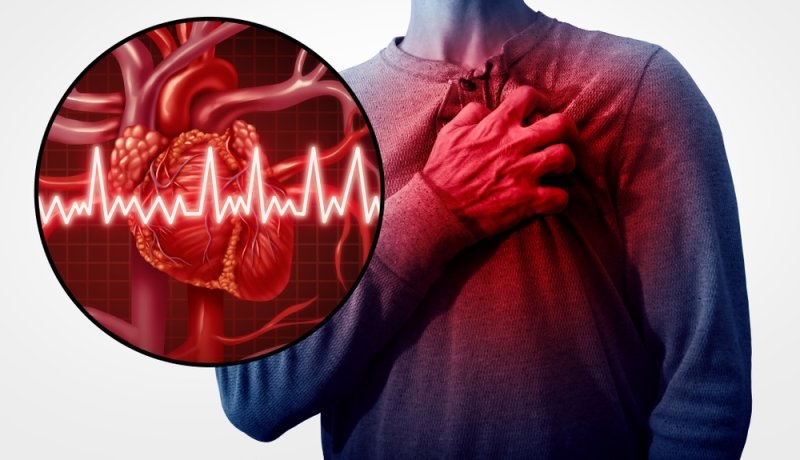
What is the Difference Between Heart Attack vs Heart Failure
Quick TakeawaysA heart attack is an acute circulation blockage, while heart failure is a chronic pumping weakness.Recognizing early warning signs of heart attack and heart failure can save lives during medical emergencies.Coronary artery disease is a leading cause for both conditions, making preventive care vital.Immediate emergency intervention restores blocked blood flow during a sudden cardiac event.Lifestyle modifications and medications help manage long-term cardiac function and overall health.Hearing a doctor mention cardiovascular disease can instantly cause panic and anxiety. Understanding heart attack vs. heart failure helps reduce fear by giving you clear, life-saving knowledge. You deserve accurate medical information to protect yourself and your loved ones during uncertain times.According to data from the Centers for Disease Control and Prevention, over 800,000 Americans experience a heart attack every year. Meanwhile, the American Heart Association reports that over 6 million adults in the United States currently live with heart failure. Knowing how these two cardiovascular events differ ensures you seek the right emergency care without dangerous delays.In this comprehensive guide, we will break down what is the difference between heart attack and heart failure, explore how is heart attack different from heart failure, examine heart attack vs. heart failure causes, and compare heart attack vs. heart failure treatment options. We will also answer critical questions like can a heart attack cause heart failure and evaluate heart attack or heart failure, which is more serious.What is a Heart Attack?A heart attack, medically known as a myocardial infarction, occurs when blood flow to a section of the heart muscle is suddenly blocked. This sudden blockage is usually caused by a buildup of plaque that ruptures and forms a blood clot in one of the coronary arteries. Without oxygen-rich blood, the affected heart muscle tissue begins to suffer damage and die rapidly unless emergency treatment quickly clears the blockage.What is Heart Failure?Heart failure is an ongoing condition in which the heart muscle becomes too weak or rigid to pump blood effectively throughout the body. Unlike a sudden heart attack, heart failure usually develops gradually over time due to chronic strain from conditions like high blood pressure or past cardiac damage. As pumping strength weakens, fluid can back up into the lungs, legs, and other tissues, leading to persistent fatigue and shortness of breath.How is Heart Attack Different From Heart Failure?Many people confuse these medical terms, but they represent entirely distinct cardiovascular problems.The core heart attack and heart failure difference lies in mechanism and speed. A heart attack is a sudden plumbing failure. A coronary artery gets blocked by plaque or a blood clot, starving the heart muscle of oxygen. Without prompt intervention, affected tissue dies quickly.In contrast, heart failure is a chronic pumping problem. The heart muscle becomes too weak or stiff to circulate enough blood to meet body needs. It develops slowly over months or years, causing fluid backup in the lungs and legs.What are the Warning Signs of Heart Attack and Heart Failure?Recognizing early symptoms ensures rapid medical evaluation and improves long-term recovery outcomes.Heart Attack SymptomsClassic heart attack symptoms appear suddenly and demand immediate emergency assistance.Crushing chest pain or pressure in the center of the chestPain radiating to the jaw, neck, back, or left armSudden shortness of breath accompanied by cold sweatsUnexplained dizziness, nausea, or extreme lightheadednessHeart Failure SymptomsProgressive heart failure symptoms build gradually over time as fluid accumulates in tissue.Chronic shortness of breath during routine physical activities or while lying flatPersistent swelling in the feet, ankles, legs, or abdomenConstant fatigue, weakness, and difficulty climbing stairsPersistent coughing or wheezing with white or pink blood-tinged phlegmHeart Attack vs Heart Failure Causes: What Triggers Each Condition?Understanding underlying risk factors helps patients take proactive steps toward prevention.Primary Heart Attack CausesMajor heart attack causes areCenter on plaque buildup inside arterial wallsHigh cholesterolSmokingHigh blood pressureDiabetes damages arterial linings over timeA ruptured plaque triggers rapid clot formation, completely blocking localized blood flowPrimary Heart Failure CausesCommon heart failure causes stem from chronic conditions that strain the cardiac muscle over time. Here are some other reasons:Long-standing hypertension forces the heart to pump against high pressureValvular heart diseaseCardiomyopathyThyroid disorders also weaken cardiac output gradually.Can a Heart Attack Cause Heart Failure?Yes, a severe cardiac event directly contributes to long-term pumping weakness. When a blocked artery starves heart tissue of oxygen during an acute event, those muscle cells die and form scar tissue. Scar tissue cannot contract or pump blood effectively. If a large portion of the heart muscle suffers damage, the remaining healthy tissue must work much harder. Over time, this extra burden leads directly to chronic heart failure.Must Try: What is Respiratory Syncytial Virus (RSV) and its Symptoms?Heart Attack vs Heart Failure Treatment: How are They Managed?Medical interventions focus on immediate stabilization for acute attacks and long-term management for chronic failure.Heart Attack Treatment ProtocolsEmergency heart attack treatment focuses on restoring blood flow immediately to minimize muscle death. Doctors use clot-dissolving medications or perform emergency angioplasty with stent placementCoronary artery bypass surgery may be performed in severe multi-vessel blockages.Heart Failure Treatment OptionsLong-term heart failure treatment aims to ease workload on the heart and control fluid buildup.Physicians prescribe ACE inhibitors, beta blockers, and diuretics to reduce blood pressure and swelling. Implantation of pacemakers or left ventricular assist devices helps stabilize advanced stages.Heart Attack or Heart Failure: Which is More Serious?Both conditions are severe, life-threatening medical issues that require professional cardiac care. A heart attack is an acute emergency where every minute determines muscle survival. Heart failure is a chronic condition that reduces life expectancy and daily quality of life. Neither condition should be ignored, as early intervention dramatically improves survival rates.ConclusionUnderstanding cardiovascular health allows you to make informed decisions for yourself and your family. In this guide, we explored key differences between acute arterial blockages and chronic pumping weakness. We examined distinct warning signs, underlying causes, and modern medical treatments available today. Recognizing early symptoms ensures you take action before permanent damage occurs. Consistent lifestyle choices like balanced nutrition, routine exercise, and regular blood pressure monitoring form your best defense. Taking control of your heart health today protects your vitality for decades to come. Are you ready to prioritize your cardiovascular wellness and gain complete peace of mind? Take the next step today by exploring our extensive medical library, connecting with qualified healthcare professionals, and discovering personalized wellness tools designed to support your lifelong vitality.Are you ready to take charge of your cardiovascular health and protect your future well-being? Connect with leading medical specialists today to access expert diagnostic guidance and personalized care plans tailored to your needs.FAQsWhat Medical Tests are Used to Diagnose Heart Attack vs. Heart Failure?Physicians use electrocardiograms and blood tests like troponin levels to diagnose an acute heart attack rapidly. To evaluate heart failure, doctors order echocardiograms to measure ejection fraction alongside BNP blood tests, which detect fluid overload and cardiac strain.How Does Ejection Fraction Measure Heart Function in Patients?Ejection fraction measures the percentage of blood the left ventricle pumps out with each contraction. A normal ejection fraction ranges between 50 and 70 percent. A lower reading indicates weakened pumping capacity characteristic of systolic heart failure.Can Lifestyle Modifications Reverse Early Stages of Heart Failure?While damaged heart tissue cannot fully regenerate, adoption of a low-sodium diet, regular exercise, and smoking cessation significantly improves heart function. These positive habits reduce cardiac strain and help manage symptoms effectively over time.What is Cardiac Rehabilitation and Who Needs it Most?Cardiac rehabilitation is a medically supervised program offering exercise training, emotional support, and lifestyle education. It benefits patients recovering from heart attacks, heart surgery, or heart failure by improving physical endurance and reducing future cardiovascular risks.How Do Diuretics Help Patients Manage Heart Failure Symptoms?Diuretics prompt the kidneys to remove excess water and sodium from the bloodstream through urination. Reducing fluid volume lowers blood pressure and relieves swelling in the legs, abdomen, and lungs, making breathing much easier for patients.

Types of Heart Attack: STEMI, NSTEMI, and Coronary Spasm
Key TakeawaysThe classification of different types of heart attacks depends on changes in blood flow and injuries sustained by the heart muscle, as well as ECG and blood test results.The fact is that STEMI and NSTEMI are myocardial infarction conditions, and coronary spasm is an acute condition as well if there is low blood flow.Similar symptoms can be observed when people experience different types of heart attacks, and such symptoms as chest pain, breathlessness, sweating, and nausea should be treated urgently.A heart attack, or, to put it in medical terms, myocardial infarction (MI), means a condition in which some part of the heart muscle lacks an oxygen-rich blood supply. The time for which the flow of blood has been reduced or blocked defines the chances of injury to the heart muscle. Since there can be different causes for heart attacks, the physician needs to evaluate the patient's symptoms, ECG, troponin tests, and imaging.Knowing the types of heart attacks can assist patients in having more information about their diagnosis. The basic types that are known to people are ST-segment elevation myocardial infarction (STEMI) and non-ST-segment elevation myocardial infarction (NSTEMI). Moreover, myocardial infarction or injury can also be caused by spasms of coronary arteries.What is a Heart Attack?A heart attack is when part of the heart muscle is cut off from blood. The most common cause is coronary artery disease, which is the buildup of plaque in arteries. The plaque can rupture, creating a clot that blocks the artery. Other less common reasons include constriction of the coronary artery or obstruction of blood flow.How are Heart Attacks Classified?The type of heart attack is determined by various factors other than the symptoms experienced. An electrocardiogram will indicate whether there is an ST-segment elevation or not. The presence of cardiac troponin, which is a protein found in heart cells, is measured using blood tests. Imaging will then be used to determine the affected artery and cause.STEMI and NSTEMI are two major categories of myocardial infarctions based on ECG findings. This does not imply that NSTEMI is a safe condition. Both need immediate medical attention. Moreover, the extent of damage to the heart muscle, the area where the block occurred, the presence of other health conditions, and the speed of treatment also have an effect on risk.Also check: Heart Attack Symptoms for Women: Common Signs and Risks STEMI: ST-Segment Elevation Myocardial InfarctionA STEMI heart attack is normally caused by the full blocking of a coronary artery, although there is no clear link between the two. Such disruption of the flow of blood could result in a significant injury to the heart muscles.It derives its name from the finding of an ST-segment elevation. Normally, the ECG is among the very first tests conducted when there is a suspected heart attack. In case of STEMI, the medical personnel usually work towards reopening the blocked coronary artery to restore the normal flow of blood.What is a STEMI Heart Attack?STEMI is a myocardial infarction that is characterized by ST-segment elevation in the ECG, and it is normally linked with an acute coronary artery blockage. Its symptoms include pain, squeezing or pressure in the chest, discomfort spreading to the arm, shoulder, back, neck, or jaw, shortness of breath, sweating, nausea, lightheadedness, or fatigue.Its treatment methods may include reopening the blocked artery via balloon angioplasty and stenting (PCI). Also, drugs that inhibit the formation of blood clots can be administered.NSTEMI: Non-ST-Segment elevation myocardial infarctionAnother type of myocardial infarction is non-ST-elevation myocardial infarction (NSTEMI). It does not cause ST-segment elevation that is characteristic of STEMI. But there is an elevation of cardiac troponins due to damage to myocardial tissue.What is an NSTEMI Heart Attack?A NSTEMI heart attack occurs when the blood flow to the coronary artery is severely restricted, most commonly because of a partial blockage of the vessel. Some patients experiencing NSTEMI can have a complete blockage of the artery, which is why just looking at the ECG cannot provide information about the whole picture.Symptoms of NSTEMI are similar to STEMI. Symptoms can include chest pain or discomfort, shortness of breath, nausea, sweating, dizziness, or pain or discomfort in the arms, back, neck, jaw, or upper stomach. The diagnosis is usually made based on symptoms and the patient's history, ECG results, and repeated measurement of cardiac troponin levels.Treatment depends on patient risk factors, extent of coronary disease, and other data. It includes anticoagulants/antiplatelet drugs, cholesterol-lowering therapy, and possibly coronary angiography followed by PCI.Coronary Artery SpasmThis is a process in which the artery suddenly tightens. This causes a temporary narrowing of the vessel, which causes a reduced flow of blood. It is also known as vasospastic or variant angina. Severe or persistent spasms may lead to myocardial infarction, even in the absence of fixed obstruction.What is a Coronary Spasm?Coronary spasm refers to a transient constriction of a coronary artery. The spasms occur during rest and are common during specific hours, especially overnight and in the morning hours. A key risk factor for spasms is smoking, whereas some individuals might have other triggers or accompanying conditions.Spasm does not imply the presence of a heart attack. If there is brief deprivation of blood flow that does not cause heart muscle death, the condition is categorized differently. A myocardial infarction develops if the lack of blood supply leads to myocardial damage.The symptoms of coronary spasm are similar to those of heart attacks. They include chest pain, profuse sweating, nausea, breathlessness, or faintness. Due to similarities, prompt evaluation is essential for proper diagnosis and treatment. Medications such as nitrates or calcium channel blockers may help reduce spasms.Symptoms of Heart Attacks Across Different TypesThe symptoms of different heart attacks may coincide; thus, you shouldn't try to determine the type of the disease using only its symptoms. Typical symptoms of a heart attack are the following:Pressure, tightness, squeezing, or pain in the chestPain extending to one's arms, shoulders, back, neck, or jawDifficulty breathingCold sweatsNauseaDizziness or faintingUnexpected fatigueSometimes there are very few symptoms, and one doesn't experience any chest pain. In case of a possible heart attack, you should call 911 (or a local emergency phone number) instead of trying to go to the hospital on your own.STEMI vs. NSTEMI vs. Coronary SpasmTypeCommon causeImportant diagnostic featurePrimary issueSTEMIUsually due to sudden blockage of coronary arteriesST segment elevation indicating injury to heart muscleVery quick heart muscle damageNSTEMIOften caused by severe restriction of coronary circulationTroponin increase but no diagnostic ST elevationInjury to heart muscleCoronary spasmSudden severe constriction of coronary arteriesDiagnosis through clinical evaluation, ECG changes, etc.Restriction of blood flow; sustained spasm leads to MI.This comparison explains why the terms are useful, but real cases can be more complicated. Doctors may use additional classifications based on the cause of the infarction, such as a supply-and-demand imbalance or another underlying condition.Which type of Heart Attack is more serious?This is impossible to know based on the information on the label. STEMI is usually viewed as the more acutely dangerous condition since there is usually a big obstruction present, and it can lead to a large amount of heart tissue damage if there is no prompt restoration of blood flow.NSTEMI is also dangerous and may indicate significant coronary heart disease. The outlook will depend on the extent of heart damage and where it occurs, what artery is involved, blood pressure and heart rate, kidney function, other medical problems, and the speed of treatment.The same goes for coronary artery spasm. An acute spasm may not do any lasting damage, while a more severe spasm may cause a myocardial infarction or serious rhythm disturbance.Must Read: Warning Signs of Blood Clotting Disorders: A GuideHow are Heart Attack types diagnosed and treated?The first tests that doctors usually run are the ECG and blood tests for cardiac troponin. Based on their results, they can employ echocardiography, coronary angiography, CT, or other imaging techniques. These procedures are used to assess whether a heart attack took place, whether there was any damage done, and whether it is necessary to restore an occluded artery.The choice of treatment methods depends on the type and cause of the heart attack. STEMI often requires immediate reperfusion, most frequently using PCI. NSTEMI may require drug therapy and coronary angiography, and coronary spasm may need relaxation medications.Despite the type, recovery often implies the administration of medications, participation in cardiac rehabilitation, follow-ups, and control of such factors as high blood pressure, high cholesterol, diabetes, smoking, diet, and exercise.ConclusionHeart attacks include types such as STEMI and NSTEMI; however, there is also coronary artery spasm, which can lead to myocardial infarction due to severe blood restriction. Even though the terms refer to different patterns and processes, all cases that could be heart attacks need urgent attention from medical professionals.Knowing the terminology will assist in understanding ECG findings, troponin tests, angiograms, and treatment plans; however, it must not stop you from calling for urgent medical assistance.Frequently Asked QuestionsCan there be a heart attack without having a blocked artery?Yes. A heart attack is possible even without complete blocking of an artery. A rupture of plaque, formation of a blood clot, severe constriction, and coronary artery spasms can result in insufficient blood flow to the heart muscle.When should one seek medical help in case of possible heart attack symptoms?Immediate medical assistance should be sought if the patient experiences symptoms like chest pressure, difficulty breathing, sweating, nausea, and others.Is it possible to have a heart attack with mild or unusual symptoms?Yes. There can be atypical signs of a heart attack, especially among older people and patients with particular diseases. It may be unusual tiredness, difficulty breathing, nausea, or pain in the neck, jaw, and arm.Will there be an increased risk for additional heart attacks after having a heart attack once?Previous history of a heart attack might increase the risks for subsequent heart problems. The use of ongoing treatments, therapies, and managing the risk factors could lower these risks.Can the damage done to the heart by a heart attack be undone?The damaged heart muscle tissue might be irreversible due to the death of cells from lack of blood flow. Nonetheless, fast action would ensure the restoration of blood flow and hence lessen the damage.
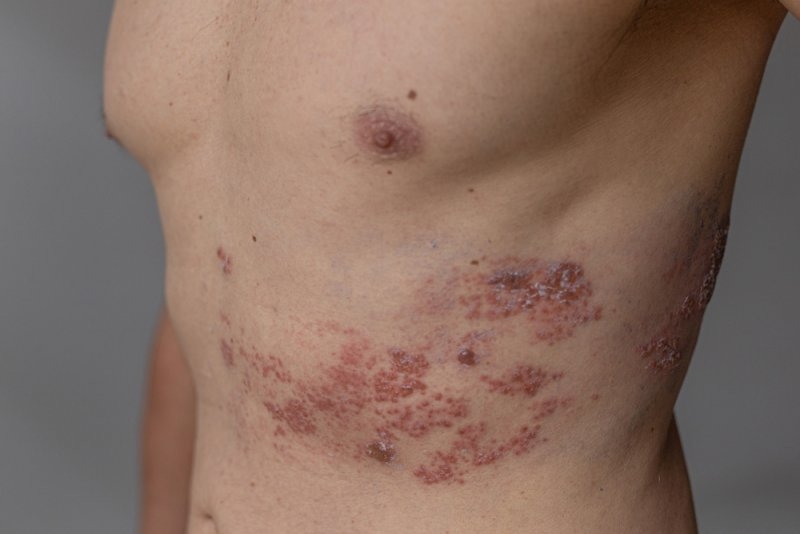
What Does a Shingles Rash Look Like, and How to Treat It?
Key TakeawaysA shingles rash shows up on one side of your body, usually as a stripe or band.Burning or tingling often comes first, sometimes a day or two before any blisters.Antiviral pills work best if you start them within 72 hours of the rash.Blisters crust over in about a week, but nerve pain can hang around for months.Rash near your eye? Get seen the same day.You notice an odd burning spot on your ribs. No rash yet, just a hot, prickly feeling that won't quit. Most people shrug it off as a pulled muscle or a scratchy shirt tag.Then the blisters arrive. That's usually when the penny drops: this is a shingles rash, and it comes from the same virus that once gave you chickenpox.Here's the plain-English version of what to watch for, how doctors treat it, and when you shouldn't wait. We'll also cover shingles symptoms, recovery time, and a few common worries.What Is a Shingles Rash?A shingles rash is a stripe of painful blisters caused by the varicella zoster virus. That's the same bug behind chickenpox. After you recover as a kid, it never fully leaves. It settles into nerve tissue near your spine and sleeps for decades. Then stress, illness, or simple aging wakes it up. It travels along one nerve to your skin, which is why the rash stays on one side.Who Is Most at Risk?Age matters most. The CDC says roughly one in three Americans will get shingles at some point, and most cases show up after fifty. But younger adults aren't safe, especially if their immune system is weak.Anyone over fiftyPeople with HIV, cancer, or an organ transplantThose taking steroids or chemotherapyPeople under intense stress or recovering from an injuryWhat Are the Early Signs of Shingles?The early signs of shingles are sneaky, because your skin looks completely normal at first. What you feel is itching, burning, or a prickly sensation along one strip of skin. Some people also get a mild fever, a headache, or plain tiredness. This stage can last a day or two, and it fools almost everyone.Why Do Doctors Sometimes Miss It?Pain on the chest can feel like a heart problem. Pain along your side can look like gallstones or kidney stones. Without a rash, even good doctors may chase the wrong cause. Once blisters appear a day or two later, the answer is obvious. So if you've got one-sided burning, mention it early.What Are the Common Shingles Symptoms?Once the rash arrives, shingles symptoms follow a fairly predictable path. Red patches show up first. Then clusters of fluid-filled blisters form, looking a lot like chickenpox but packed into a tight band. After a few days, they dry out and crust over. Here's the usual timeline.SymptomWhat You NoticeTypical TimingBurning or tinglingHot, sharp, or prickly skin on one side1-2 days before the rashRed patchesA band-like area of irritated skinDays 2-3BlistersFluid-filled clusters, like chickenpoxDays 3-7CrustingBlisters dry and form scabs.Around days 4-10Fatigue or feverA mild, flu-like feelingEarly phaseWhere Does the Rash Show Up?Most often it wraps around the chest, ribs, or back like a belt that stops halfway. It can also hit your face, neck, or a limb. The face is the risky spot. If the rash creeps near your eye, your vision could be at stake. See an eye doctor right away, because hospital treatment is sometimes needed.What Does Shingles Treatment Involve?There's no magic cure that wipes out the virus, but shingles treatment still makes a real difference. Doctors usually prescribe antivirals such as acyclovir, valacyclovir, or famciclovir. The catch is timing. They work best when you start within 72 hours of the rash. Wait longer, and you lose some of the benefit, including protection against lingering nerve pain.Pain Relief OptionsPain is often the worst part. Some patients describe it as a hot acid burn. Ibuprofen or acetaminophen helps mild cases, while tougher pain may need gabapentin. Lidocaine or capsaicin creams can calm the skin. Check with your doctor first, since doses matter. Severe cases may need IV antivirals, which means a few days in the hospital.OptionWhat It DoesGood to KnowAntiviralsSlows the virusBest within 72 hoursAcetaminophen or ibuprofenEases mild painFollow label directions.GabapentinCalms nerve painPrescription onlyLidocaine or capsaicinSoothes the skinUse as directed.What Helps With Shingles Rash Treatment at Home?Home care won't replace medication, but it makes the days far more bearable. For shingles rash treatment at home, think gentle and boring. Cool compresses, loose cotton, and a lot of patience go a long way. Try these:Press a cool, damp cloth on the area for 15 minutesWear loose cotton shirts that don't rubKeep blisters clean, dry, and lightly coveredSoak in a lukewarm oatmeal bathWhat Should You Skip?Don't pop the blisters, however tempting. Skip thick, greasy creams on open sores, because they trap moisture and invite infection. Tight bandages just rub and hurt. And be wary of internet cures. Some herbal products clash with prescription drugs, so ask your pharmacist before trying anything new.How Long Do Shingles Last?Most people feel better within two to four weeks. Blisters usually crust over in about a week, and the rash itself clears in roughly ten days. Nerve pain is the wild card. About one in ten people develop postherpetic neuralgia, a stabbing, pins-and-needles pain that can last for months. Starting treatment early lowers that risk.StageHow LongWhat's HappeningPre-rash pain1-2 daysBurning, itching, tinglingBlister phase3-7 daysFluid-filled clusters form.Crusting7-10 daysScabs form, blisters dry.Healing2-4 weeksSkin recovers; marks may linger.Is Shingles Contagious?Sort of. You can't hand someone shingles. But the blister fluid carries the virus, so a person who never had chickenpox or the vaccine could catch chickenpox from you. Stay away from babies, pregnant women, and unvaccinated people until every blister has crusted. Curious how other illnesses spread? Our guide to infectious diseases and their treatment covers the basics.When Should You See a Doctor?Call within 72 hours of spotting the rash. That window is when antivirals help most. Some situations are urgent, though, and shouldn't wait for a routine appointment.Rash or pain near your eye, forehead, or noseA weak immune system from cancer, HIV, or certain medicinesSevere pain, high fever, or confusionA rash spreading over several areasFacial weakness or sudden hearing changesCould It Be Something Else?Fair question. Plenty of viral illnesses cause fever and a rash, so a proper diagnosis matters. Our article on Oropouche virus disease shows how alike early viral symptoms can look. Doctors usually confirm shingles just by examining the rash pattern, though a lab test of the blister fluid is sometimes used.Can You Prevent Shingles?Yes, and the vaccine is your best bet. Doctors recommend it for healthy adults aged fifty and older. It's two doses, spaced two to six months apart, and most insurance plans cover it. Side effects are usually mild, like a sore arm or feeling tired for a day or two. Even if you've had shingles already, get vaccinated once the rash is completely gone.ConclusionA shingles rash hurts, but acting fast can shorten the illness and protect your nerves. Notice burning or tingling on one side of your body? Call your doctor within 72 hours, not next week.Pair antiviral pills with pain control and gentle skin care. Once you've recovered, ask about the shingles vaccine so a second round is less likely.Frequently Asked QuestionsWhat does a shingles rash look like in the beginning?It begins as red, slightly raised patches on one side of your body. Within a few days, small fluid-filled blisters form in a band, and you'll usually feel burning, itching, or tingling nearby.Can shingles symptoms appear without a rash?Yes, though it's rare. Some people get burning, tingling, or deep nerve pain with no blisters at all. That makes diagnosis tougher, so see a doctor if one-sided pain keeps nagging you.Is shingles rash treatment possible without antiviral pills?Technically you can try, but it's a real gamble. Cool compresses and painkillers take the edge off, yet they won't touch the virus itself. Ring your doctor within 72 hours if you can.How long do shingles last once treatment starts?Expect two to four weeks before you feel like yourself again. Starting antivirals early can shorten that and lower complication risks. The nerve pain is the stubborn part, especially if you're older or immunocompromised.Can you get shingles more than once?Unfortunately, yes. A first bout doesn't buy you lifelong immunity, and it can pop up in the same spot or a totally different one. Get vaccinated after recovery to cut the odds.
Popular Categories
Add Your Comment Here